15 best day trips from Rome by car
Best day trips from Rome take you from Pompeii’s frozen streets to Umbrian hill towns, Etruscan tombs, lake beaches and Renaissance gardens, all close enough to be back for dinner.
Key takeaways
- Best overall. Pompeii is the best day trip from Rome for first-time visitors; leave by 7 a.m. to beat traffic on the A1 and the crowds at the gates.
- Shortest trips. Frascati, Tivoli and Ostia Antica are 30–35 minutes from Rome by car and fit easily into half a day.
- Car or train. Civita di Bagnoregio, the Gardens of Ninfa and Sperlonga are far easier by car, while Naples and Orvieto are faster and simpler by train.
- In every trip. The route, parking, fuel and toll costs, what to see, and train and bus options from Rome.
This article contains affiliate links.
Rome could keep you busy for months, yet some of the region’s best sights sit just beyond the ring road.
Within two and a half hours, you can walk Pompeii’s ancient streets, climb to Orvieto’s cathedral, swim in Lake Bracciano or taste wine in Frascati.
If you have already seen the Colosseum and the Vatican, or need a break from the crowds, these are the best day trips from Rome, with driving, parking and train tips for each.
Plan your trip to Rome
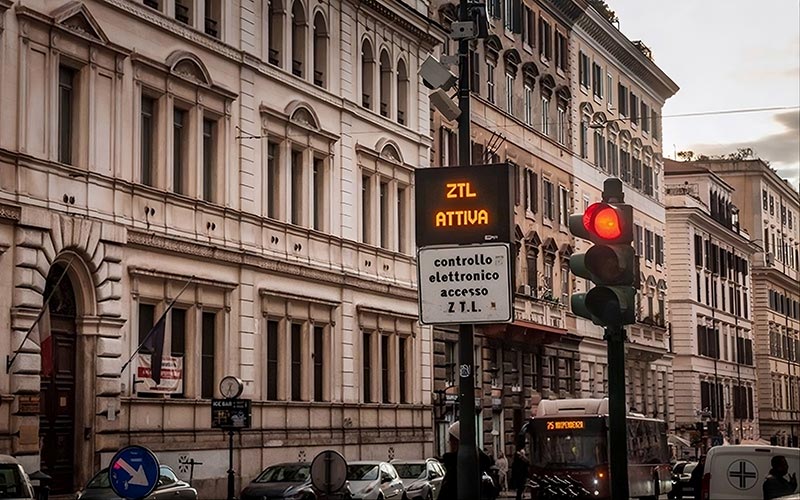
- Car rental. Compare car rental in Rome at Fiumicino Airport, Ciampino Airport or Termini; airport pickups keep you out of the city’s ZTL.
- Hotels. Choose hotels in Rome with private parking near the ring road, so day-trip mornings start fast.
- Flights. Compare flights to Rome; Fiumicino (FCO) has the most routes, Ciampino (CIA) mainly low-cost airlines.
- Parking. Book a garage or a park-and-ride near a metro stop in advance; central street parking is scarce.
- Tickets. Book Rome tours and tickets early; the Colosseum and Vatican Museums often sell out days in advance.
Day trips from Rome: key facts
- How far are day trips from Rome? The 15 trips range from 21 km (Frascati) to 236 km (Siena) one way, 125 km on average.
- How long is the drive? 5 of the 15 trips are under an hour; the longest is Siena, about 2 h 45 min.
- What is the cheapest day trip by car? Ostia Antica, about €6 for the round trip with a gasoline car, fuel and tolls included.Frascati, about €4 for the round trip with a diesel car, fuel and tolls included.Ostia Antica, about €6 for the round trip with an electric car, fuel and tolls included.Frascati, about €2 for the round trip with an LPG car, fuel and tolls included.
- What is the most expensive day trip by car? Pompeii, about €94 for the round trip with a gasoline car, 16 times the cheapest.Pompeii, about €88 for the round trip with a diesel car, 22 times the cheapest.Pompeii, about €96 for the round trip with an electric car, 16 times the cheapest.Pompeii, about €64 for the round trip with an LPG car, 32 times the cheapest.
- How much does a day trip cost on average? €44 for the round trip with a gasoline car; 6 of 15 trips cost less.€41 for the round trip with a diesel car; 6 of 15 trips cost less.€45 for the round trip with an electric car; 6 of 15 trips cost less.€28 for the round trip with an LPG car; 6 of 15 trips cost less.
- Do you pay tolls? Yes, on 12 of 15 trips, where tolls are 30% of the total cost.Yes, on 12 of 15 trips, where tolls are 31% of the total cost.Yes, on 12 of 15 trips, where tolls are 29% of the total cost.Yes, on 12 of 15 trips, where tolls are 46% of the total cost. Only Ostia Antica, Frascati and Lake Bracciano are toll-free.
- Which fuel type is cheapest? LPG, 50% less than gasoline; diesel is 8% less and electric is 3% more.
- Is parking easy? Yes, at 10 of 15 destinations; it's limited in Naples, Siena, Tivoli, Frascati and Sperlonga.
- Can you return a rental car at the destination? Yes, at 7 of 15: Pompeii, Naples, Siena, Ostia Antica, Perugia, Royal Palace of Caserta and Banditaccia Necropolis. One-way fees may apply.
Estimates based on average fuel prices in Italy on Oct 11, 2026. Fuel prices are updated every week, and all costs and comparisons above are recalculated with them.
Filters
Drive time
Type
Trip length
Parking
Sort
Showing 15 of 15 destinations
No destinations match these filters.
Day trips by car
Day trips from Rome by car
Map of driving routes from Rome to Pompeii, Naples, Siena, Tivoli, Orvieto, Assisi, Ostia Antica, Civita di Bagnoregio, Perugia, Royal Palace of Caserta, Frascati, Sperlonga, Lake Bracciano, Banditaccia Necropolis and Gardens of Ninfa.
Select a destination to highlight its route.
Route lines follow the main highways. Times exclude traffic and stops.
Visitteo
Choose your day trip from Rome
Fuel type
Pick your car's fuel type to see the fuel or charging cost for every trip below.
1. Rome to Pompeii
HistoryCultureFamilies
Trip costs by car
RomePompeii: 234 km, of which 221 km on toll highways.
| Cost | One way | Round trip |
|---|---|---|
| FuelFuelChargingFuel | €29€26€30€14 | €58€52€60€28 |
| Tolls (approx.) | €18 | €36 |
| Total | €47€44€48€32 | €94€88€96€64 |
Estimate for a gasoline car using 6 l/100 km at the average gasoline price in Italy (€2.04/l). Prices updated Oct 11, 2026.Estimate for a diesel car using 5 l/100 km at the average diesel price in Italy (€2.25/l). Prices updated Oct 11, 2026.Estimate for an electric car using 17 kWh/100 km at the average charging price in Italy (€0.75/kWh). Prices updated Oct 1, 2026.Estimate for an LPG car using 8 l/100 km at the average LPG price in Italy (€0.77/l). Prices updated Oct 11, 2026.
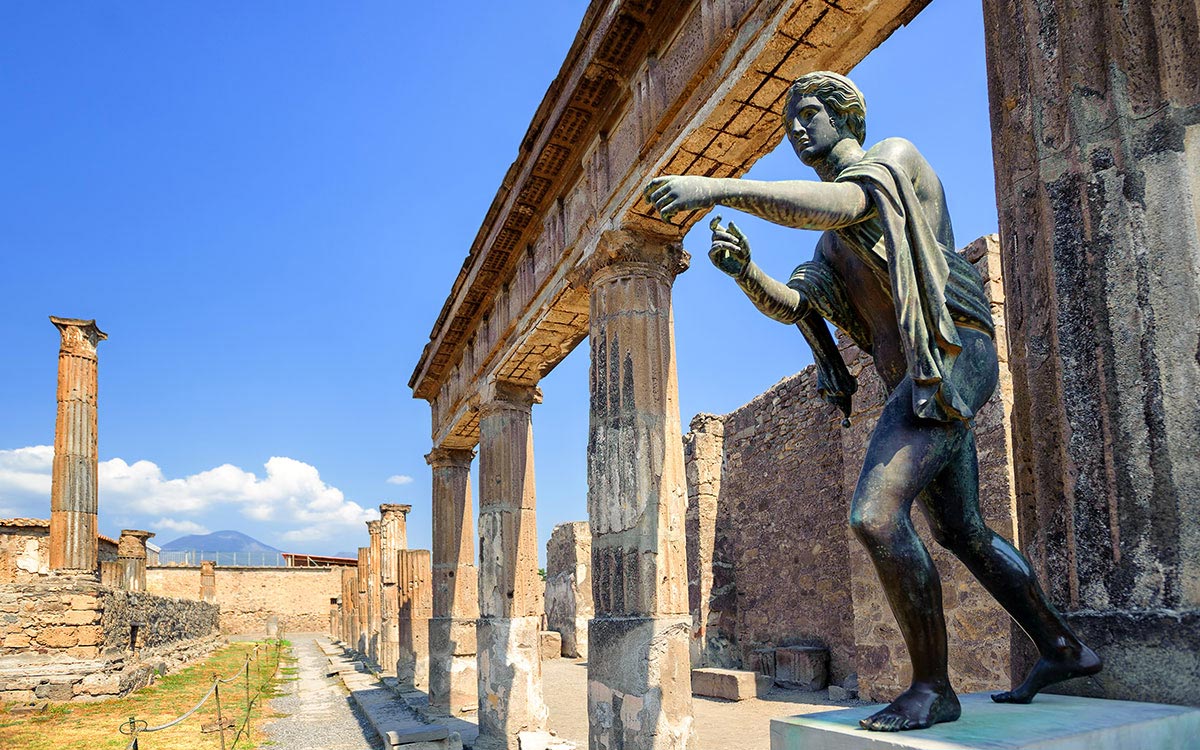
Why go to Pompeii?
Pompeii is the most complete Roman city to survive anywhere, buried by Mount Vesuvius in AD 79 and uncovered street by street since the 1700s. You walk past bakeries, bathhouses, villas and graffiti exactly where Romans left them. Nowhere near Rome shows ancient daily life so clearly, which makes the long drive south worth an early start.
Getting to Pompeii from Rome
| Drive time | About 2 h 30 min |
|---|---|
| Distance | 234 km (145 miles) |
| Route | A90 ring road, A1 autostrada (Italian toll highway) to Naples, then the A3 Napoli–Salerno to the Pompei Ovest exit. Tolls apply. |
| Parking | Private open-air car parks by the Porta Marina and Piazza Anfiteatro entrances; blue-line paid street parking in town |
| Best time to leave | 6:30–7 a.m., before traffic builds on the A1 and around Naples |
| Driving in Pompeii | Moderate. Ignore touts waving you into lots before the exit; follow signs to the Porta Marina car parks. |
| One-way car rental | Yes. Rent in Rome and return at Naples Airport (NAP) or Napoli Centrale, about 30 minutes away; one-way fees apply. |
| Train | High-speed train from Roma Termini to Napoli Centrale (about 1 h 10 min), then the Circumvesuviana to Pompei Scavi (about 35 min) |
| Bus | A few direct buses a day from Rome, about 3 h 15 min |
What to see in Pompeii
- Forum. The political and religious heart of Roman Pompeii, ringed by temples and colonnades, with Mount Vesuvius rising directly behind the square.
- House of the Faun. One of the largest private homes in the city, named for its bronze dancing faun and known for its mosaic floors.
- Amphitheater. The oldest surviving stone amphitheater in the Roman world, built around 70 BC, beside the quieter Piazza Anfiteatro entrance.
- Villa of the Mysteries. A villa just outside the walls whose main room is wrapped in a life-size fresco cycle painted in deep Pompeian red.
- Lupanare. Pompeii’s best-known brothel, a small two-story building with stone beds and faded frescoes that draws long lines by late morning.
Plan your visit to Pompeii
- Car rental. Car rental in Naples downtown or Naples Airport puts you 30 minutes from Pompeii.
- Hotels. Book hotels in Pompeii with free parking and enter the ruins at opening, before tour groups.
- Flights. Naples is the nearest airport; find flights to Naples, 30 minutes from the ruins.
- Parking. Reserve a car park near Porta Marina online in advance through a parking app.
- Tickets. Book Pompeii tickets and tours ahead; timed entries sell out on busy days.
Opening hours and any areas closed for restoration are listed on the Pompeii Archaeological Park website.
2. Rome to Naples
FoodHistoryCultureViews
Trip costs by car
RomeNaples: 218 km, of which 201 km on toll highways.
| Cost | One way | Round trip |
|---|---|---|
| FuelFuelChargingFuel | €27€25€28€13 | €54€50€56€26 |
| Tolls (approx.) | €16 | €32 |
| Total | €43€41€44€29 | €86€82€88€58 |
Estimate for a gasoline car using 6 l/100 km at the average gasoline price in Italy (€2.04/l). Prices updated Oct 11, 2026.Estimate for a diesel car using 5 l/100 km at the average diesel price in Italy (€2.25/l). Prices updated Oct 11, 2026.Estimate for an electric car using 17 kWh/100 km at the average charging price in Italy (€0.75/kWh). Prices updated Oct 1, 2026.Estimate for an LPG car using 8 l/100 km at the average LPG price in Italy (€0.77/l). Prices updated Oct 11, 2026.
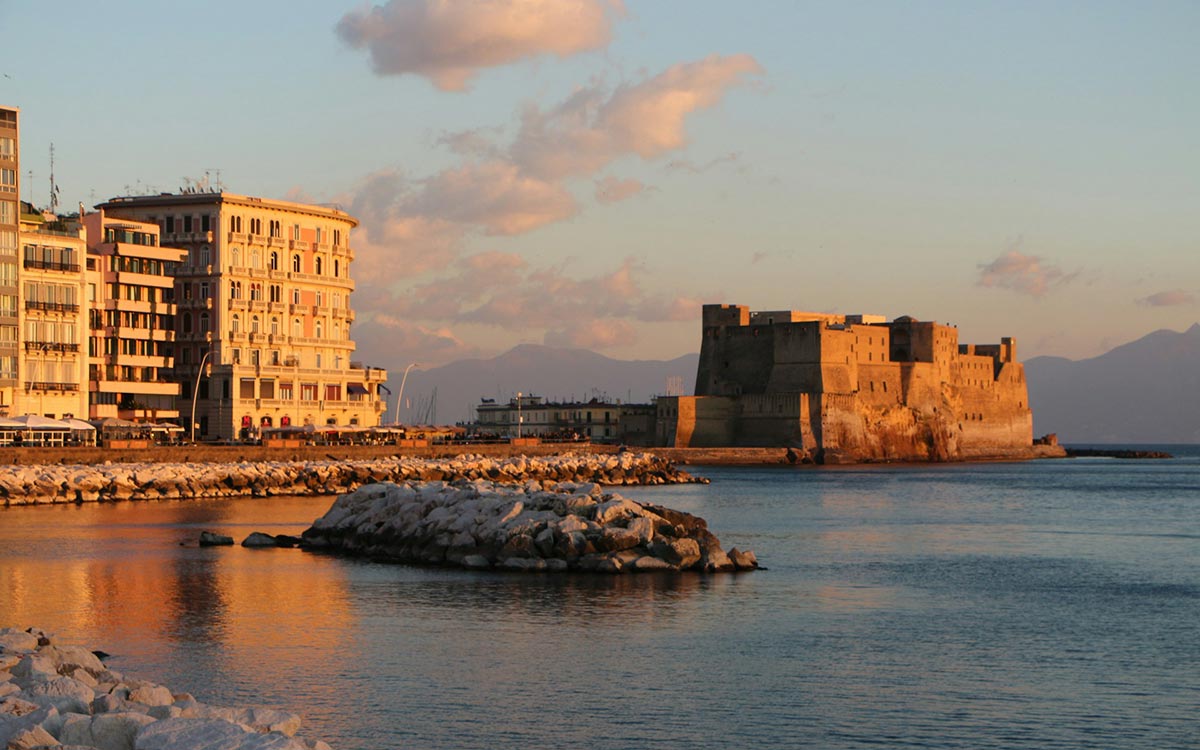
Why go to Naples?
Naples is the birthplace of pizza and home to the National Archaeological Museum, which holds the finest frescoes and mosaics from Pompeii. Its UNESCO-listed old town packs Baroque churches, underground ruins and street food into a few loud, narrow streets. It is the strongest food day trip from Rome and the most intense city on this list.
Getting to Naples from Rome
| Drive time | About 2 h 20 min |
|---|---|
| Distance | 218 km (135 miles) |
| Route | A1 toll highway to the Napoli exit, then the Tangenziale ring road, which has its own small toll. Tolls apply. |
| Parking | Guarded garages around Napoli Centrale and Piazza Garibaldi, the port and Via Toledo; blue-line street parking elsewhere. Yellow lines are for residents only. |
| ZTL | Several camera-enforced ZTLs (limited traffic zones) cover the historic center, including Centro Antico, Chiaia and Tarsia–Pignasecca. Rental cars are not exempt. |
| Best time to leave | Before 7 a.m., to reach your garage ahead of the city’s morning rush |
| Driving in Naples | Difficult. Set your GPS to the garage address, not the sight, so it doesn’t route you through a ZTL. |
| One-way car rental | Yes. Major companies have desks at Naples Airport (NAP) and near Napoli Centrale; one-way fees apply. |
| Train | High-speed trains from Roma Termini reach Napoli Centrale in about 1 h 10 min, several times an hour |
| Bus | Frequent direct buses from Rome, about 2 h 30 min–3 h |
What to see in Naples
- National Archaeological Museum. Pompeii’s best frescoes and mosaics, the Farnese marble sculptures and the once-hidden Secret Cabinet, all inside a former university palace.
- Spaccanapoli and Via dei Tribunali. Two straight Greek-era streets through the old town, lined with churches, nativity workshops and some of the city’s oldest pizzerias.
- Sansevero Chapel. A small Baroque chapel holding the Veiled Christ, an 18th-century marble sculpture whose carved veil looks almost transparent up close.
- Napoli Sotterranea. Guided tours through Greek and Roman tunnels, water cisterns and wartime shelters about 40 meters (130 feet) below the old town.
- Castel Sant’Elmo. A star-shaped hilltop fortress reached by funicular, with the widest view over the Bay of Naples and Vesuvius from its ramparts.
Plan your visit to Naples
- Car rental. Car rental in Naples downtown or Naples Airport suits onward trips to Pompeii and Amalfi.
- Hotels. Pick hotels in Naples with a partner garage; free street parking near the center is rare.
- Flights. Find cheap flights to Naples; the airport is only 4 km from the center.
- Parking. Book a garage near Piazza Garibaldi online in advance; it sits outside the ZTLs.
- Tickets. Reserve Naples tours and tickets early; underground and museum slots fill on weekends.
The historic center of Naples is a UNESCO World Heritage Site, with more than 2,500 years of layered history.
3. Rome to Siena
HistoryCultureFoodWine
Trip costs by car
RomeSiena: 236 km, of which 166 km on toll highways.
| Cost | One way | Round trip |
|---|---|---|
| FuelFuelChargingFuel | €29€27€30€15 | €58€54€60€30 |
| Tolls (approx.) | €13 | €26 |
| Total | €42€40€43€28 | €84€80€86€56 |
Estimate for a gasoline car using 6 l/100 km at the average gasoline price in Italy (€2.04/l). Prices updated Oct 11, 2026.Estimate for a diesel car using 5 l/100 km at the average diesel price in Italy (€2.25/l). Prices updated Oct 11, 2026.Estimate for an electric car using 17 kWh/100 km at the average charging price in Italy (€0.75/kWh). Prices updated Oct 1, 2026.Estimate for an LPG car using 8 l/100 km at the average LPG price in Italy (€0.77/l). Prices updated Oct 11, 2026.
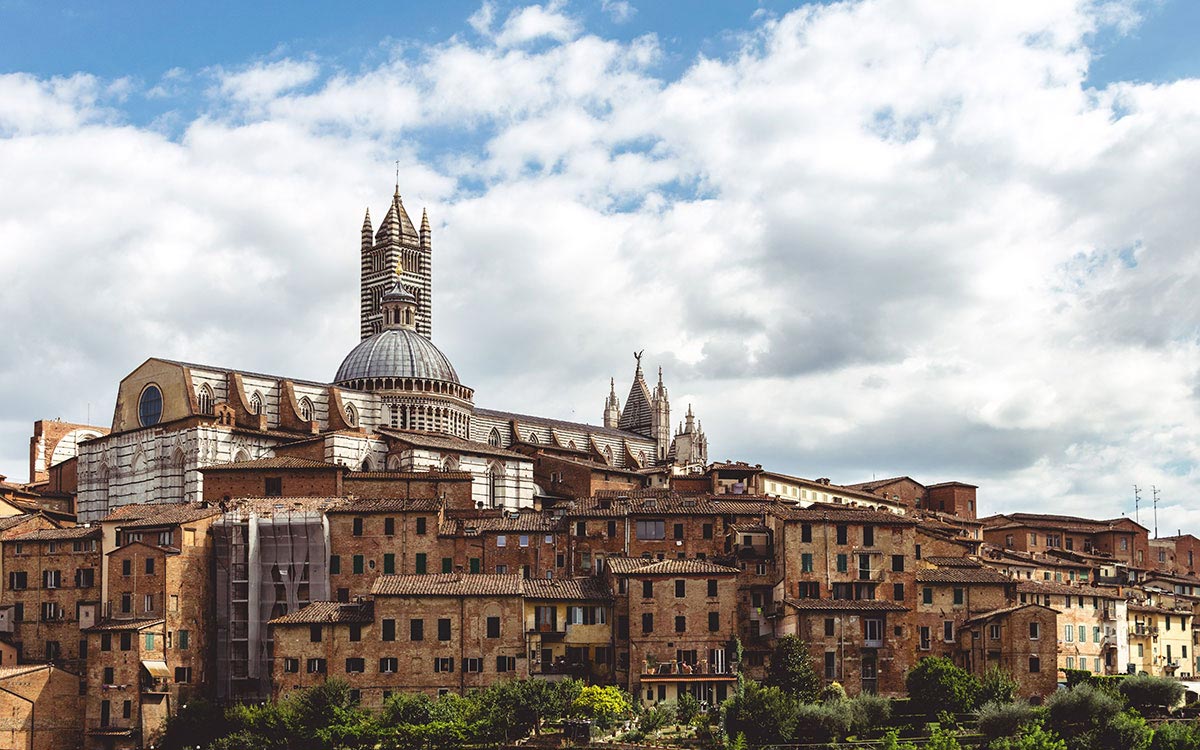
Why go to Siena?
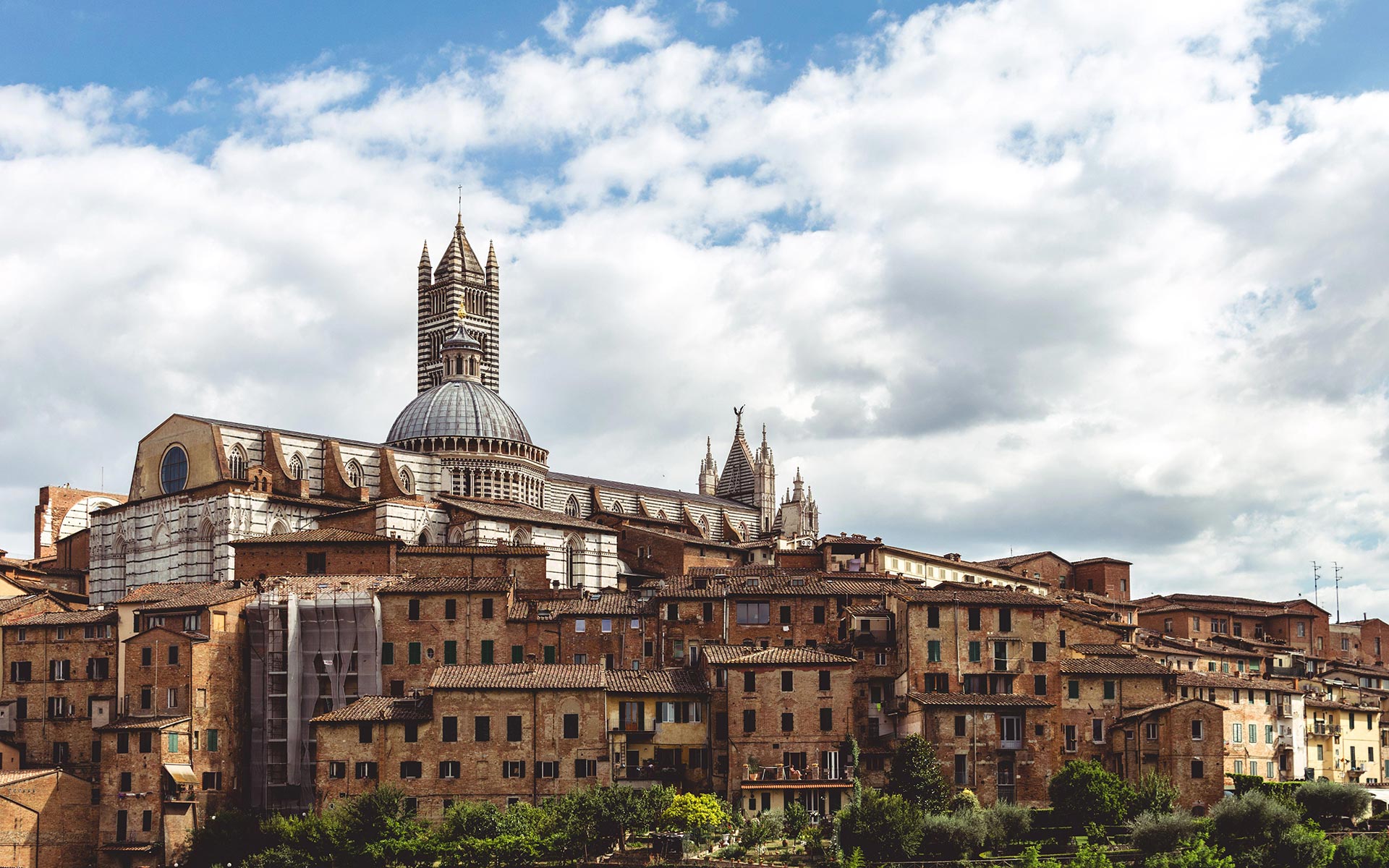
Siena is Tuscany’s best-preserved medieval city, built around the shell-shaped Piazza del Campo and a striped marble cathedral. Its UNESCO-listed center is almost free of cars, so you walk brick lanes between Gothic palaces. It is also the easiest way to taste Tuscany from Rome by car, with Chianti and Brunello wines on every menu.
Getting to Siena from Rome
| Drive time | About 2 h 25 min |
|---|---|
| Distance | 236 km (147 miles) |
| Route | A1 toll highway north to the Valdichiana exit, then the toll-free Siena–Bettolle highway. Tolls apply on the A1. |
| Parking | Garages just outside the walls: Il Campo, Santa Caterina and San Francesco (with escalators up to the center), plus the large Stadio–Fortezza car park |
| ZTL | The whole historic center is a camera-enforced ZTL; Piazza del Campo is pedestrian-only |
| Best time to leave | 6:30–7 a.m., to park before the central garages fill around 10 a.m. |
| Driving in Siena | Moderate. Exit at Siena Ovest for Stadio–Fortezza or Siena Sud for Il Campo; never follow signs to “Centro.” |
| One-way car rental | Yes. Several major companies have offices in Siena; many close at lunchtime and on Sundays. |
| Train | No direct train; change in Chiusi or Florence, about 3 h in total from Roma Termini |
| Bus | Direct buses from Roma Tiburtina, about 3 h, several times a day |
What to see in Siena
- Piazza del Campo. A sloping, shell-shaped square paved in red brick, where the Palio horse race runs twice each summer around its edge.
- Siena Cathedral. Black-and-white striped marble inside and out, with inlaid marble floors and the brightly frescoed Piccolomini Library off the nave.
- Torre del Mangia. About 400 steps up a 14th-century bell tower for the widest view over Siena’s rooftops and the hills beyond.
- Palazzo Pubblico. The Gothic town hall and Civic Museum, home to Lorenzetti’s Good and Bad Government frescoes, painted in the 1330s for the city’s rulers.
- Santa Maria della Scala. One of Europe’s oldest hospitals, now a museum with frescoed wards, chapels and underground archaeological galleries opposite the cathedral.
Plan your visit to Siena
- Car rental. Car rental in Siena downtown or Florence Airport works well for exploring Chianti afterward.
- Hotels. Pick hotels in Siena just outside the walls, where parking is often free.
- Flights. Florence is the nearest airport; compare flights to Florence, about 1 h 10 min away.
- Parking. Book Siena garage parking online in advance, especially for weekends and festival days.
- Tickets. Book Siena tours and tickets ahead; popular sights use timed entry and sell out.
Seasonal events, including the dates of the Palio horse race, are listed on Visit Siena, the city’s official tourism website.
4. Rome to Tivoli
HistoryCultureRomanticViews
Trip costs by car
RomeTivoli: 31 km, of which 19 km on toll highways.
| Cost | One way | Round trip |
|---|---|---|
| FuelFuelChargingFuel | €4€4€4€2 | €8€8€8€4 |
| Tolls (approx.) | €2 | €4 |
| Total | €6€6€6€4 | €12€12€12€8 |
Estimate for a gasoline car using 6 l/100 km at the average gasoline price in Italy (€2.04/l). Prices updated Oct 11, 2026.Estimate for a diesel car using 5 l/100 km at the average diesel price in Italy (€2.25/l). Prices updated Oct 11, 2026.Estimate for an electric car using 17 kWh/100 km at the average charging price in Italy (€0.75/kWh). Prices updated Oct 1, 2026.Estimate for an LPG car using 8 l/100 km at the average LPG price in Italy (€0.77/l). Prices updated Oct 11, 2026.
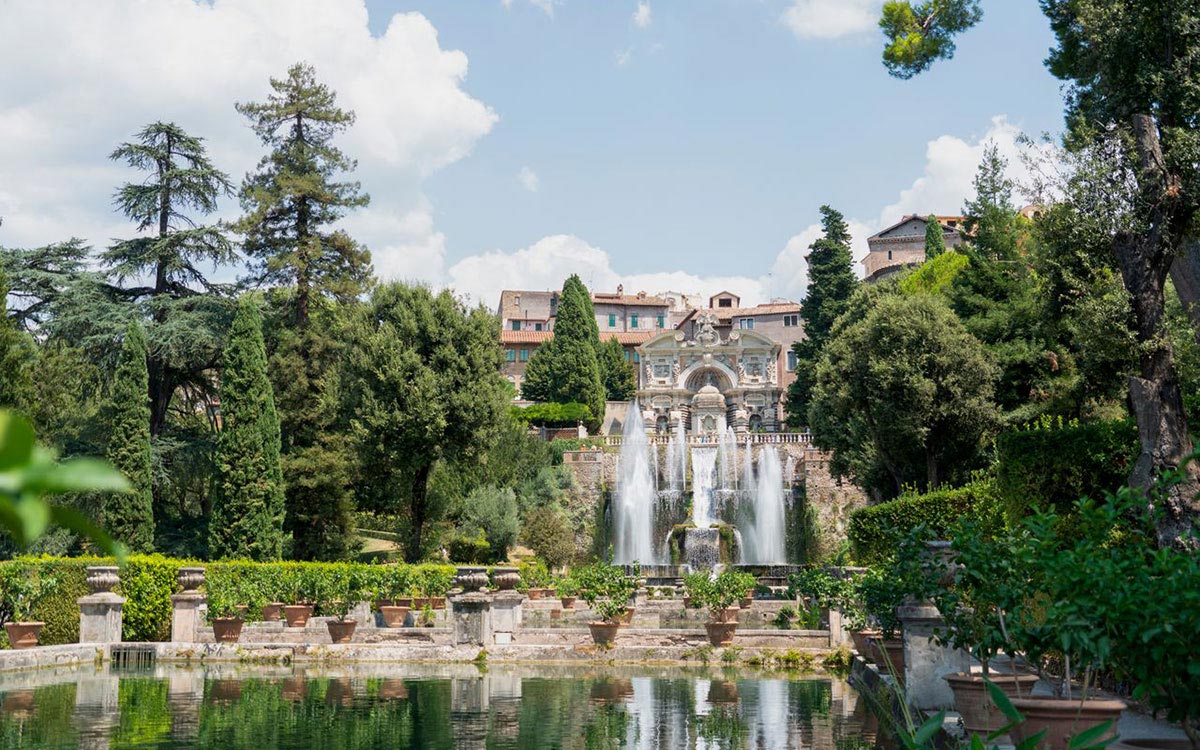
Why go to Tivoli?
Tivoli holds two UNESCO World Heritage Sites less than an hour from Rome: Villa d’Este, a Renaissance garden of terraced fountains, and Hadrian’s Villa, an emperor’s 2nd-century country palace. Few day trips from Rome pack this much into such a short drive, and the hill town stays cooler than the capital in summer.
Getting to Tivoli from Rome
| Drive time | About 45 min |
|---|---|
| Distance | 31 km (19 miles) |
| Route | A24 Roma–L’Aquila toll highway to the Tivoli exit, or the toll-free Via Tiburtina (SS5). A small toll applies on the A24. |
| Parking | Paid car parks at Piazza Matteotti and Piazza Garibaldi, a short walk from Villa d’Este; a large car park at Hadrian’s Villa |
| ZTL | The historic center is a ZTL with entry cameras; park outside it and walk in |
| Best time to leave | About 8:30 a.m., once weekday commuter traffic on the A24 eases |
| Driving in Tivoli | Moderate. See Hadrian’s Villa first, on the plain, then drive up the hill to Villa d’Este. |
| One-way car rental | Not practical. Tivoli has no major rental desks, so return the car in Rome. |
| Train | Regional trains from Roma Tiburtina or Termini to Tivoli, about 1 h, then a 10-minute walk uphill to Villa d’Este |
| Bus | Regional buses from Ponte Mammolo metro station (Line B), every 15–30 minutes, about 50 min |
What to see in Tivoli
- Villa d’Este. Terraced Renaissance gardens with hundreds of fountains, including the Hundred Fountains walkway and the water-powered Organ Fountain that plays music.
- Hadrian’s Villa. Ruins of Emperor Hadrian’s 2nd-century country palace, with more than 30 buildings, baths and pools spread across the plain below town.
- Canopus. A long reflecting pool at Hadrian’s Villa, framed by columns and copies of Greek statues, best photographed from its far end.
- Villa Gregoriana. A wooded park in a deep gorge, with a 120-meter (390-foot) waterfall, grottoes and Roman temples on the cliff above.
- Temple of Vesta. A round Roman temple perched on the cliff edge above the gorge, visible from Villa Gregoriana and the old town lanes.
Plan your visit to Tivoli
- Car rental. Car rental at Rome Ciampino Airport or Roma Tiburtina reaches the A24 fastest.
- Hotels. Book hotels in Tivoli near Hadrian’s Villa; many have free on-site parking.
- Tickets. Reserve Tivoli tours and tickets ahead; weekend and holiday time slots fill first.
Opening hours for Villa d’Este and Hadrian’s Villa change with the season and are listed on the official Villa website.
5. Rome to Orvieto
WineFoodHistoryViews
Trip costs by car
RomeOrvieto: 121 km, of which 100 km on toll highways.
| Cost | One way | Round trip |
|---|---|---|
| FuelFuelChargingFuel | €15€14€15€7 | €30€28€30€14 |
| Tolls (approx.) | €8 | €16 |
| Total | €23€22€23€15 | €46€44€46€30 |
Estimate for a gasoline car using 6 l/100 km at the average gasoline price in Italy (€2.04/l). Prices updated Oct 11, 2026.Estimate for a diesel car using 5 l/100 km at the average diesel price in Italy (€2.25/l). Prices updated Oct 11, 2026.Estimate for an electric car using 17 kWh/100 km at the average charging price in Italy (€0.75/kWh). Prices updated Oct 1, 2026.Estimate for an LPG car using 8 l/100 km at the average LPG price in Italy (€0.77/l). Prices updated Oct 11, 2026.
Why go to Orvieto?
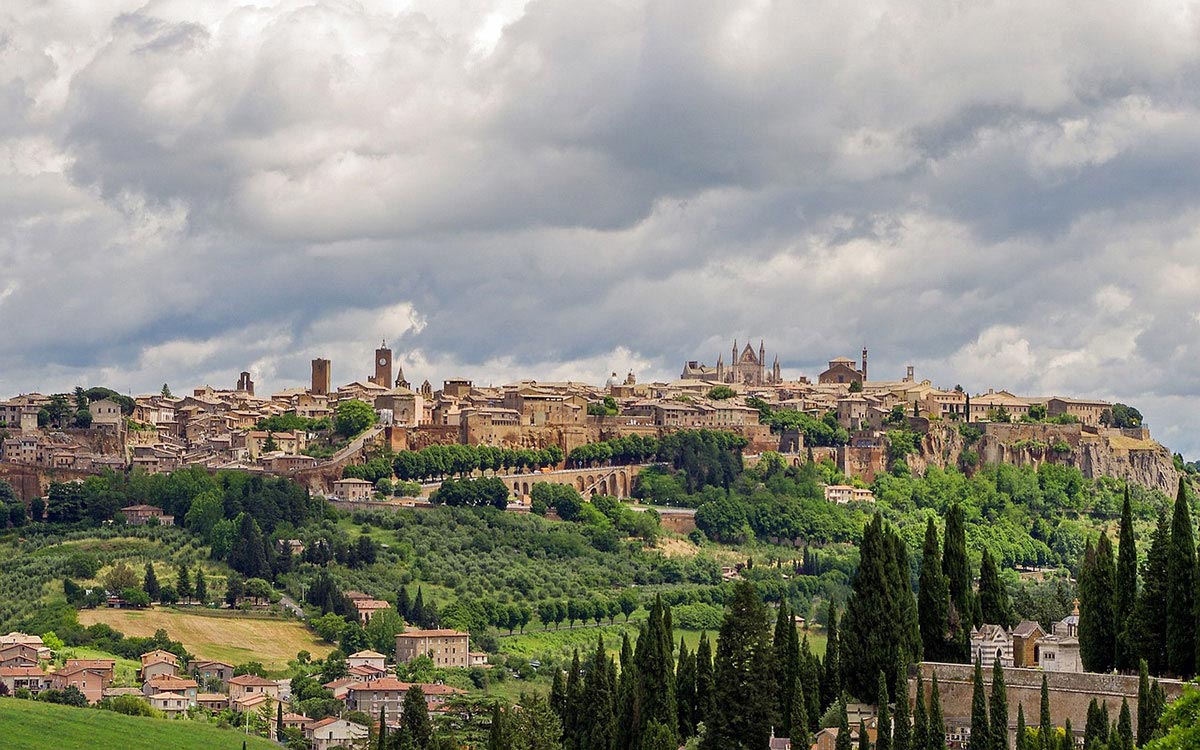
Orvieto sits on a cliff of volcanic rock right off the A1, with one of Italy’s most striking Gothic cathedrals at its center. Beneath the town lie Etruscan caves, wells and cellars cut into the stone. Add its own white wine, Orvieto Classico, and an easy drive, and it is the most rewarding hill town close to Rome.
Getting to Orvieto from Rome
| Drive time | About 1 h 25 min |
|---|---|
| Distance | 121 km (75 miles) |
| Route | A1 toll highway north to the Orvieto exit, then about 10 minutes to the town. Tolls apply. |
| Parking | Free open-air car park at Piazza della Pace in Orvieto Scalo, next to the funicular; paid covered parking at Campo della Fiera below the cliff, with escalators and a lift up |
| ZTL | The whole historic center on the rock is a camera-enforced ZTL |
| Best time to leave | 8 a.m., to arrive before late-morning tour buses |
| Driving in Orvieto | Easy. Set your GPS to “Parcheggio Campo della Fiera” or “Orvieto funicolare,” never the town center. |
| One-way car rental | Limited. Check for rental offices near Orvieto Scalo station before booking. |
| Train | Regional and Intercity trains from Roma Termini to Orvieto, about 1 h 15 min, roughly hourly; the funicular climbs to the center |
| Bus | No practical direct bus from Rome; the train is faster |
What to see in Orvieto
- Orvieto Cathedral. A gold-mosaic Gothic facade outside and Luca Signorelli’s Last Judgment frescoes inside the San Brizio Chapel, painted around 1500.
- Pozzo di San Patrizio. A 16th-century well 53 meters (174 feet) deep, with two spiral staircases that wind down without ever crossing.
- Orvieto Underground. Guided tours through Etruscan caves, medieval cellars and pigeon coops carved into the soft volcanic tuff beneath the town.
- Torre del Moro. A 47-meter (154-foot) clock tower at the town’s main crossroads, with views over the rooftops and the vineyards below.
- Via della Cava. The oldest, steepest lanes on the cliff’s western edge, lined with artisan shops, small wine bars and a medieval well.
Plan your visit to Orvieto
- Car rental. Car rental at Rome Fiumicino or Termini works best; Orvieto itself has very few desks.
- Hotels. Choose hotels in Orvieto in Orvieto Scalo for free parking and quick funicular access.
- Tickets. Book Orvieto tours and tickets ahead; underground tours run at fixed times and fill.
6. Rome to Assisi
HistoryCultureViewsRomantic
Trip costs by car
RomeAssisi: 188 km, of which 60 km on toll highways.
| Cost | One way | Round trip |
|---|---|---|
| FuelFuelChargingFuel | €23€21€24€12 | €46€42€48€24 |
| Tolls (approx.) | €5 | €10 |
| Total | €28€26€29€17 | €56€52€58€34 |
Estimate for a gasoline car using 6 l/100 km at the average gasoline price in Italy (€2.04/l). Prices updated Oct 11, 2026.Estimate for a diesel car using 5 l/100 km at the average diesel price in Italy (€2.25/l). Prices updated Oct 11, 2026.Estimate for an electric car using 17 kWh/100 km at the average charging price in Italy (€0.75/kWh). Prices updated Oct 1, 2026.Estimate for an LPG car using 8 l/100 km at the average LPG price in Italy (€0.77/l). Prices updated Oct 11, 2026.
Why go to Assisi?
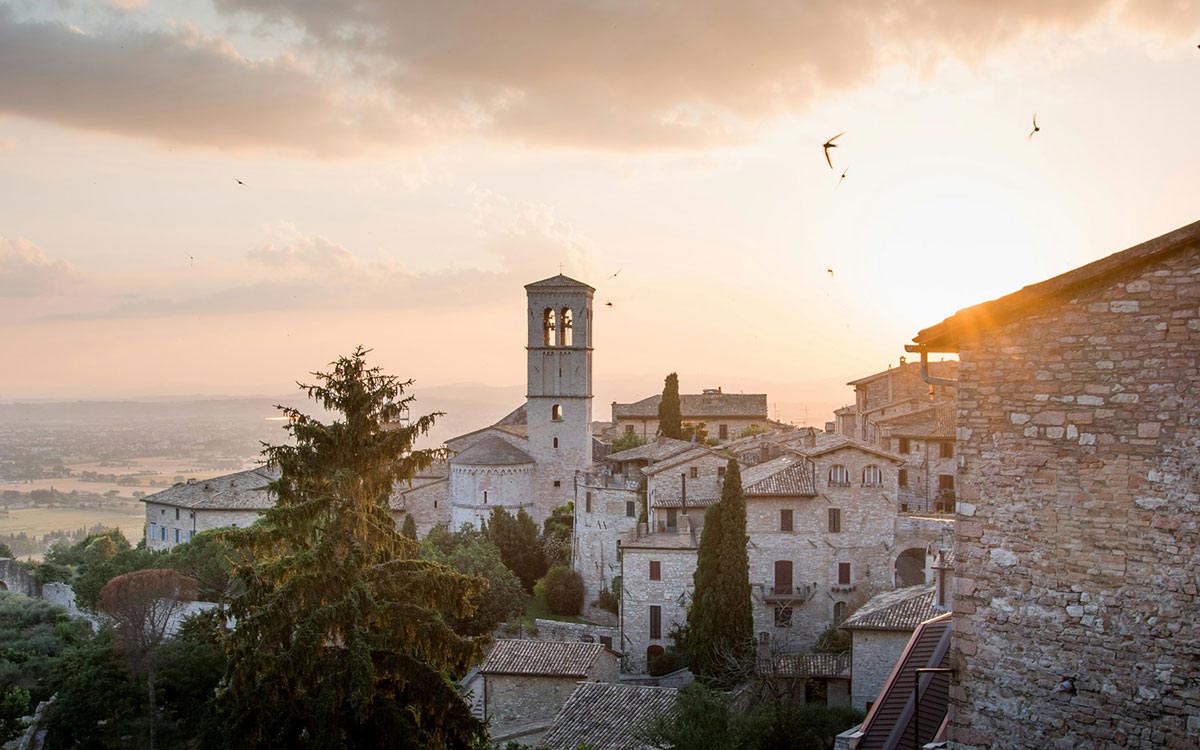
Assisi is the hometown of Saint Francis and one of Italy’s most important pilgrimage sites. The Basilica of San Francesco holds Giotto’s frescoes of the saint’s life, and the pink-stone town climbs Mount Subasio above the Umbrian plain. Even if you aren’t religious, its quiet lanes and wide valley views make the drive worthwhile.
Getting to Assisi from Rome
| Drive time | About 2 h 10 min |
|---|---|
| Distance | 188 km (117 miles) |
| Route | A1 toll highway to Orte, then toll-free expressways via Terni and Foligno. Tolls apply on the A1. |
| Parking | Car parks just outside the walls: Giovanni Paolo II (closest to the basilica), Piazza Matteotti (underground), Mojano (with escalators) and Porta Nuova (by Santa Chiara) |
| ZTL | The historic center is a ZTL with electronic gates; only permit holders may drive in. |
| Best time to leave | 7 a.m., to arrive before the tour buses |
| Driving in Assisi | Moderate. Park at Giovanni Paolo II, visit the basilica first, then walk uphill through town. |
| One-way car rental | Not in Assisi itself; return at Perugia Airport (PEG), about 15 minutes away. |
| Train | Regional trains from Roma Termini to Assisi station in Santa Maria degli Angeli, about 2 h–2 h 30 min, some with a change in Foligno; then a local bus up to town |
| Bus | Limited direct buses from Rome, a few a day, about 3 h. |
What to see in Assisi
- Basilica of San Francesco. Two stacked churches covered in Giotto and Cimabue frescoes, with the tomb of Saint Francis in the crypt below.
- Basilica of Santa Chiara. A pink-and-white striped church holding the tomb of Saint Clare and the crucifix that tradition says spoke to Francis.
- Piazza del Comune. The main square, laid over the old Roman forum, where the six columns of the Temple of Minerva still face the street.
- Rocca Maggiore. A medieval fortress above the town, with walkways along its walls and sweeping views across the Umbrian valley toward Perugia.
- Eremo delle Carceri. A quiet hermitage in the oak woods 4 km (2.5 miles) above town, where Francis and his followers came to pray.
Plan your visit to Assisi
- Car rental. Car rental in Perugia downtown or Perugia Airport covers Assisi, 15 minutes away.
- Hotels. Book hotels in Assisi in Santa Maria degli Angeli for easier parking and quiet evenings.
- Flights. Perugia is the nearest airport; compare flights to Perugia, about 15 minutes away.
- Parking. Book parking near the walls online in advance before weekends and religious holidays.
- Tickets. Book Assisi tours and tickets early; guided basilica visits fill on weekends.
7. Rome to Ostia Antica
HistoryCultureFamilies
Trip costs by car
RomeOstia Antica: 26 km, no toll highways.
| Cost | One way | Round trip |
|---|---|---|
| FuelFuelChargingFuel | €3€3€3€2 | €6€6€6€4 |
| Tolls (approx.) | €0 | €0 |
| Total | €3€3€3€2 | €6€6€6€4 |
Estimate for a gasoline car using 6 l/100 km at the average gasoline price in Italy (€2.04/l). Prices updated Oct 11, 2026.Estimate for a diesel car using 5 l/100 km at the average diesel price in Italy (€2.25/l). Prices updated Oct 11, 2026.Estimate for an electric car using 17 kWh/100 km at the average charging price in Italy (€0.75/kWh). Prices updated Oct 1, 2026.Estimate for an LPG car using 8 l/100 km at the average LPG price in Italy (€0.77/l). Prices updated Oct 11, 2026.
Why go to Ostia Antica?
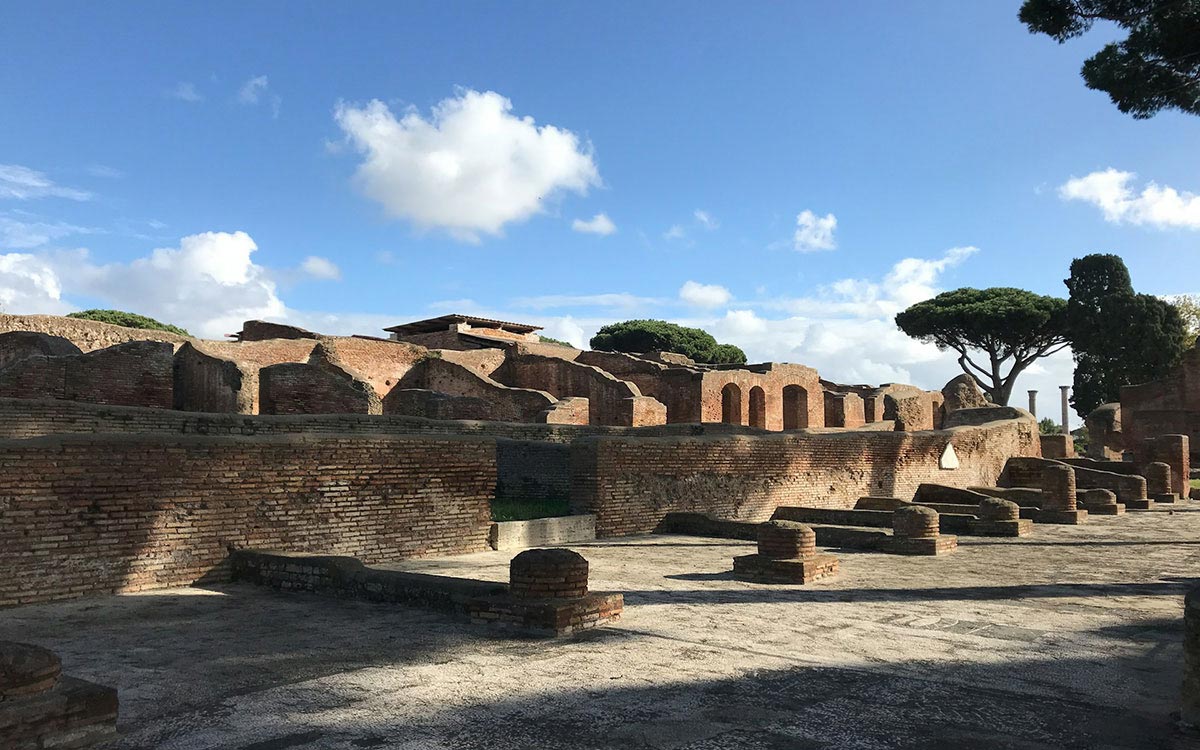
Ostia Antica was ancient Rome’s harbor city, and today it is one of Italy’s largest archaeological parks, just 35 minutes from the center. You walk among streets, apartment blocks, baths and a theater with far fewer people than at Pompeii. It is the quickest and easiest ancient-history day trip from Rome.
Getting to Ostia Antica from Rome
| Drive time | About 35 min |
|---|---|
| Distance | 26 km (16 miles) |
| Route | Via del Mare and Via Ostiense southwest from Rome to the park entrance on Viale dei Romagnoli. No tolls. |
| Parking | Free open-air car park at the park entrance |
| Best time to leave | 8 a.m., to arrive soon after opening |
| Driving to Ostia Antica | Easy. On summer weekends, leave before 9 a.m.; beach traffic jams Via del Mare. |
| One-way car rental | Yes. Return at Fiumicino Airport (FCO), about 15 minutes away. |
| Train | Roma–Lido line from Porta San Paolo, next to Piramide metro (Line B), to Ostia Antica, about 30 min; a footbridge leads to the entrance |
| Bus | No practical direct bus; the Roma–Lido train is faster |
What to see in Ostia Antica
- Decumanus Maximus. The ancient main street, about 1 km (0.6 miles) long, lined with shops, warehouses, temples and the ruins of grand houses.
- Roman Theater. A restored theater built for about 3,000 spectators, with marble masks along the stage and summer performances still held there.
- Piazzale delle Corporazioni. A colonnaded square of shipping offices whose black-and-white mosaic floors show ships, lighthouses and cargo from across the empire.
- Baths of Neptune. A large public bath complex with a huge black-and-white floor mosaic of Neptune driving four sea horses through the waves.
- Thermopolium of Via di Diana. An ancient snack bar with its marble counter, wall shelves and a fresco of food and drink still in place.
Plan your visit to Ostia Antica
- Tickets. Book Ostia Antica tickets and tours ahead; guided tours run at set times and fill.
8. Rome to Civita di Bagnoregio
ViewsRomanticHistory
Trip costs by car
RomeCivita di Bagnoregio: 135 km, of which 100 km on toll highways.
| Cost | One way | Round trip |
|---|---|---|
| FuelFuelChargingFuel | €16€15€17€8 | €32€30€34€16 |
| Tolls (approx.) | €8 | €16 |
| Total | €24€23€25€16 | €48€46€50€32 |
Estimate for a gasoline car using 6 l/100 km at the average gasoline price in Italy (€2.04/l). Prices updated Oct 11, 2026.Estimate for a diesel car using 5 l/100 km at the average diesel price in Italy (€2.25/l). Prices updated Oct 11, 2026.Estimate for an electric car using 17 kWh/100 km at the average charging price in Italy (€0.75/kWh). Prices updated Oct 1, 2026.Estimate for an LPG car using 8 l/100 km at the average LPG price in Italy (€0.77/l). Prices updated Oct 11, 2026.
Why go to Civita di Bagnoregio?
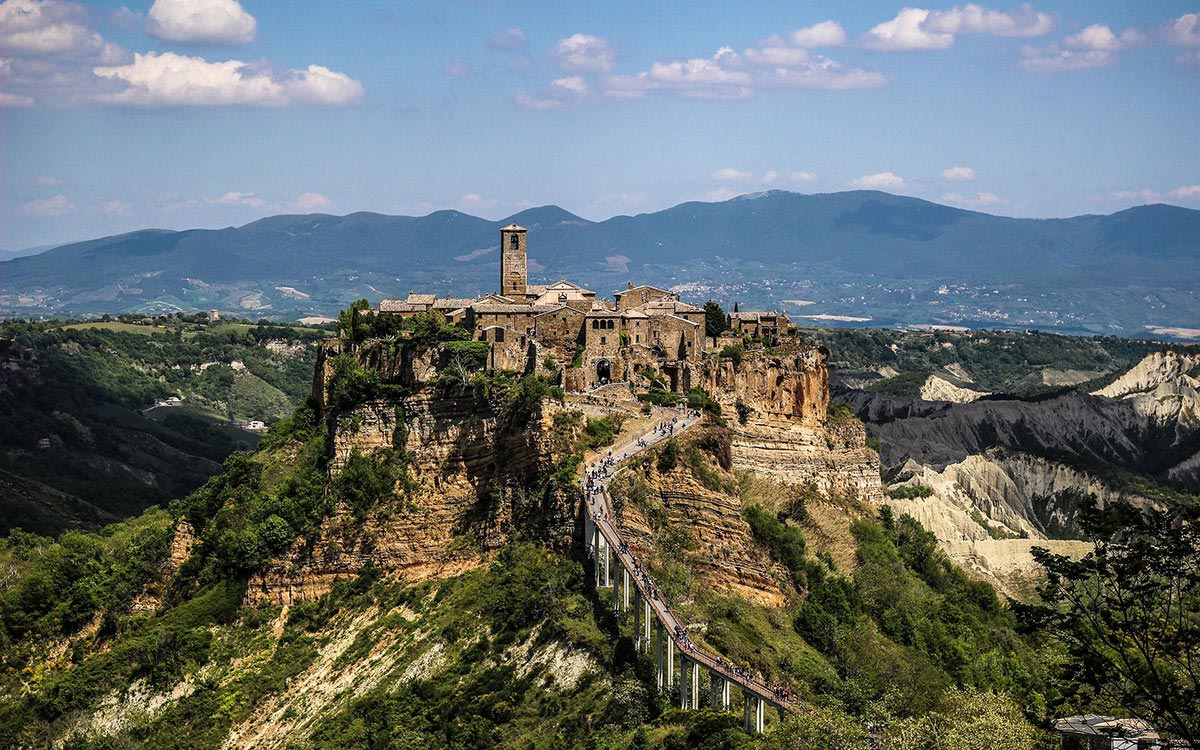
Civita di Bagnoregio is a tiny medieval village on a crumbling clay pinnacle, reached only by a long pedestrian bridge. Erosion keeps eating the cliffs beneath it, which is why Italians call it the dying town. The view from the bridge is the reason to come, and it pairs neatly with Orvieto, 20 km (12 miles) away.
Getting to Civita di Bagnoregio from Rome
| Drive time | About 1 h 45 min |
|---|---|
| Distance | 135 km (84 miles) |
| Route | A1 toll highway north to the Orvieto exit, then about 20 km (12 miles) on country roads to Bagnoregio. Tolls apply on the A1. |
| Parking | Paid car parks in Bagnoregio near the Belvedere viewpoint and the Mercatello ticket office, closest to the bridge; a shuttle links the town center to the bridge |
| ZTL | Civita is car-free; everyone crosses the bridge on foot |
| Best time to leave | 7:30 a.m., or combine with Orvieto and arrive mid-afternoon for softer light |
| Driving to Civita | Moderate. The last stretch is narrow and winding, so allow extra time. |
| One-way car rental | Not in Bagnoregio; the nearest options are in Orvieto, 20 km away. |
| Train | No station; take a train to Orvieto (about 1 h 15 min from Roma Termini), then a local bus |
| Bus | Local buses from Orvieto take about 50 min on weekdays, with no service on Sundays |
What to see in Civita di Bagnoregio
- Pedestrian bridge. About 300 meters (980 feet) of walkway climbing steeply toward the village, with eroded badlands dropping away on both sides.
- Porta Santa Maria. The stone gateway cut through the rock and guarded by carved lions, the only way into the medieval village.
- Piazza San Donato. The tiny main square, home to the Romanesque Church of San Donato and a few cafés with outdoor tables.
- Belvedere viewpoint. The classic photo spot at the edge of Bagnoregio, looking across the clay valley to Civita on its pinnacle.
- Valle dei Calanchi. The eroded clay badlands around the village, crossed by walking trails that show how fast the cliffs are crumbling.
Plan your visit to Civita di Bagnoregio
- Hotels. Stay in hotels in Bagnoregio with parking to cross the bridge before day-trippers arrive.
- Tickets. Book Civita di Bagnoregio tours ahead; weekend guided visits fill quickly.
9. Rome to Perugia
FoodHistoryCultureShopping
Trip costs by car
RomePerugia: 170 km, of which 60 km on toll highways.
| Cost | One way | Round trip |
|---|---|---|
| FuelFuelChargingFuel | €21€19€22€10 | €42€38€44€20 |
| Tolls (approx.) | €5 | €10 |
| Total | €26€24€27€15 | €52€48€54€30 |
Estimate for a gasoline car using 6 l/100 km at the average gasoline price in Italy (€2.04/l). Prices updated Oct 11, 2026.Estimate for a diesel car using 5 l/100 km at the average diesel price in Italy (€2.25/l). Prices updated Oct 11, 2026.Estimate for an electric car using 17 kWh/100 km at the average charging price in Italy (€0.75/kWh). Prices updated Oct 1, 2026.Estimate for an LPG car using 8 l/100 km at the average LPG price in Italy (€0.77/l). Prices updated Oct 11, 2026.
Why go to Perugia?
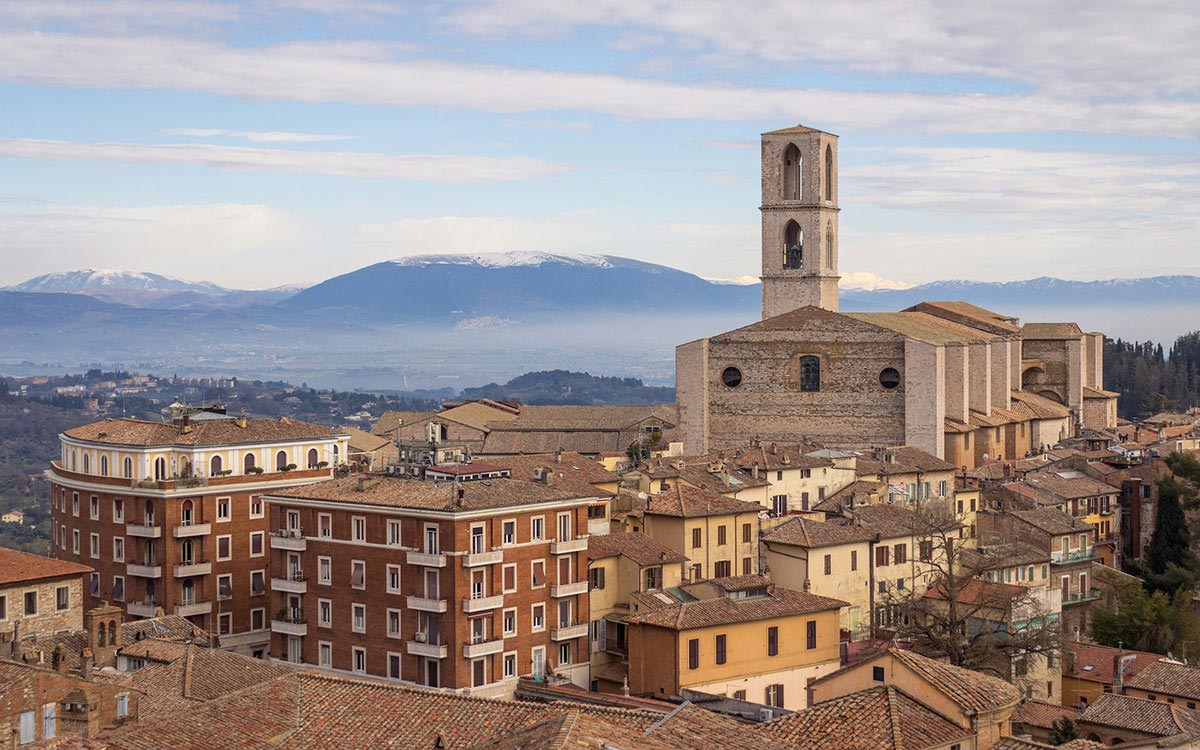
Perugia is Umbria’s capital, a lively university hill town with Etruscan walls, a grand medieval main street and the home of Baci chocolates. It hosts Umbria Jazz each July and Eurochocolate in autumn. With a free park-and-ride and a driverless Minimetrò up the hill, it is one of the easiest cities on this list to visit by car.
Getting to Perugia from Rome
| Drive time | About 2 h |
|---|---|
| Distance | 170 km (106 miles) |
| Route | A1 toll highway to Orte, then the toll-free E45 expressway north to Perugia. Tolls apply on the A1. |
| Parking | Free park-and-ride at Pian di Massiano with the Minimetrò to the center; paid garages such as Piazza Partigiani, linked to the old town by free escalators |
| ZTL | The historic center is a camera-enforced ZTL; non-resident cars may not enter. |
| Best time to leave | 7:30 a.m., to clear Rome before rush-hour traffic |
| Driving in Perugia | Moderate. Follow signs for “Pian di Massiano” or “Minimetrò,” not the city center. |
| One-way car rental | Yes. Major companies operate at Perugia Airport (PEG) and in the city. |
| Train | Trains from Roma Termini to Perugia Fontivegge, about 2 h–2 h 30 min, usually with a change in Foligno or Terontola |
| Bus | Direct buses from Rome, about 2 h 30 min, several times a day |
What to see in Perugia
- Piazza IV Novembre. Perugia’s main square, framed by the cathedral and the town hall, with the carved 13th-century Fontana Maggiore at its center.
- Palazzo dei Priori. A Gothic town hall housing the National Gallery of Umbria and the Collegio del Cambio, with its Perugino-frescoed audience hall.
- Rocca Paolina. The buried streets of a medieval quarter preserved beneath a papal fortress, now crossed by the escalators up from the car parks.
- Etruscan Arch. A massive 3rd-century BC city gate, one of the best-preserved Etruscan structures in Italy, later topped with a Roman inscription.
- Casa del Cioccolato Perugina. The chocolate factory’s museum on the edge of town, with tastings, a production-line viewing gallery and chocolate-making classes.
Plan your visit to Perugia
- Car rental. Car rental in Perugia downtown or Perugia Airport makes Assisi and Lake Trasimeno easy.
- Hotels. Choose hotels in Perugia near a Minimetrò stop with free parking.
- Flights. Find cheap flights to Perugia; the airport is 12 km from the center.
- Parking. Book a central garage such as Piazza Partigiani online in advance for weekends.
- Tickets. Reserve Perugia tours and tickets ahead; chocolate tours and festival events often sell out.
More museums, festivals and events are covered on Italia.it, Italy’s official tourism website.
10. Rome to the Royal Palace of Caserta
HistoryCultureFamiliesNature
Trip costs by car
RomeRoyal Palace of Caserta: 192 km, of which 176 km on toll highways.
| Cost | One way | Round trip |
|---|---|---|
| FuelFuelChargingFuel | €23€22€24€12 | €46€44€48€24 |
| Tolls (approx.) | €14 | €28 |
| Total | €37€36€38€26 | €74€72€76€52 |
Estimate for a gasoline car using 6 l/100 km at the average gasoline price in Italy (€2.04/l). Prices updated Oct 11, 2026.Estimate for a diesel car using 5 l/100 km at the average diesel price in Italy (€2.25/l). Prices updated Oct 11, 2026.Estimate for an electric car using 17 kWh/100 km at the average charging price in Italy (€0.75/kWh). Prices updated Oct 1, 2026.Estimate for an LPG car using 8 l/100 km at the average LPG price in Italy (€0.77/l). Prices updated Oct 11, 2026.
Why go to the Royal Palace of Caserta?
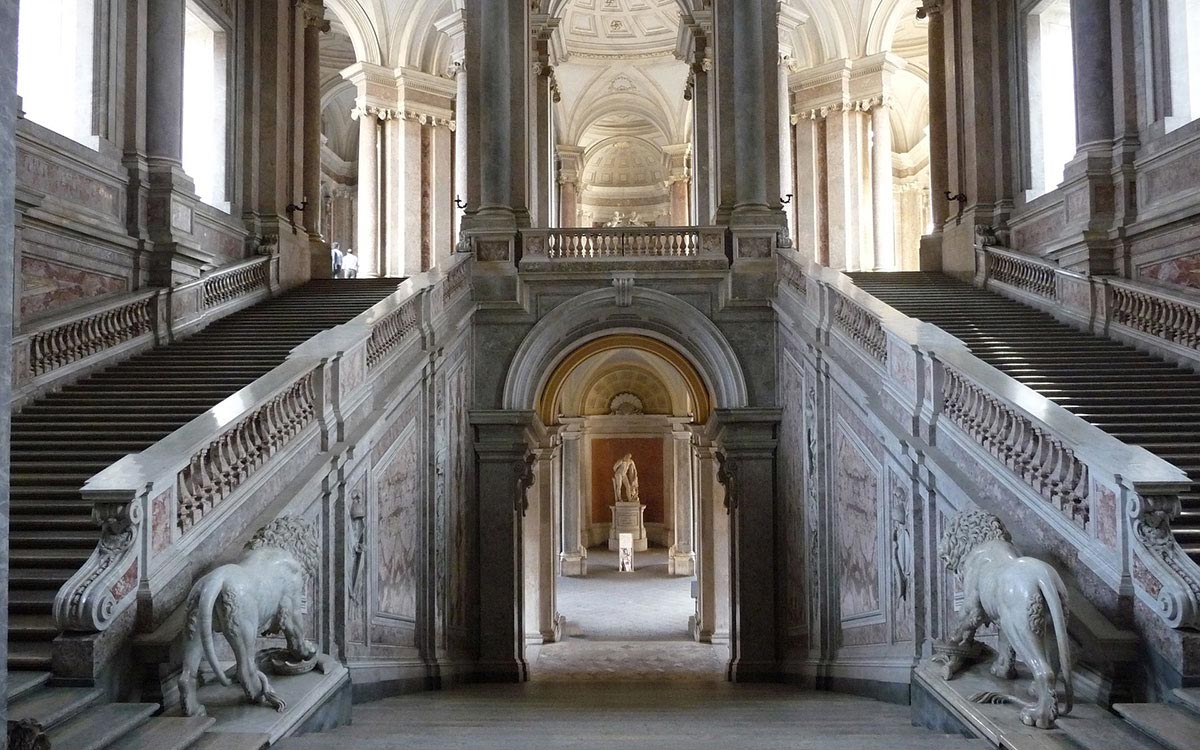
The Royal Palace of Caserta (Reggia di Caserta) is one of Europe’s largest royal palaces, built for the Bourbon kings of Naples. Behind its 1,200 rooms runs a 3 km (2-mile) avenue of pools and fountains that ends at a waterfall. It is a UNESCO site on the scale of Versailles, with far smaller crowds.
Getting to Caserta from Rome
| Drive time | About 2 h |
|---|---|
| Distance | 192 km (119 miles) |
| Route | A1 toll highway to the Caserta Nord exit, then about 10 minutes to the palace. Tolls apply. |
| Parking | Paid garages and car parks within a 10-minute walk of the palace; limited blue-line street parking around Piazza Carlo di Borbone |
| Best time to leave | 7 a.m., to arrive at opening, before school groups |
| Driving in Caserta | Easy. Stay on the A1 to Caserta Nord and park on the palace side of town; the station faces the entrance. |
| One-way car rental | Yes. Return at Naples Airport (NAP), about 30 minutes away; Caserta town also has a few rental offices. |
| Train | Trains from Roma Termini to Caserta, about 1 h 10 min on high-speed services or 2 h on regionals; the station faces the palace |
| Bus | Some direct buses from Rome, about 2 h 30 min. |
What to see at the Royal Palace of Caserta
- Royal Apartments. Gilded state rooms, the throne room and the Bourbon kings’ private quarters, furnished with original clocks, chandeliers and silk wall hangings.
- Grand Staircase. A monumental marble staircase flanked by stone lions, rising beneath a double vault to the upper vestibule and the Palatine Chapel.
- Royal Park. A straight 3 km avenue of pools, statues and cascading fountains running from the palace to the hills; shuttle buses and bikes help.
- Great Waterfall. An 80-meter (260-foot) cascade at the far end of the park, with the Diana and Actaeon sculpture groups gathered at its foot.
- English Garden. A romantic landscaped garden beside the waterfall, with fake Roman ruins, exotic trees, a small lake and the Bath of Venus statue.
Plan your visit to the Royal Palace of Caserta
- Hotels. Pick hotels in Caserta near the palace; several offer free parking for guests.
- Flights. Naples is the nearest airport; compare flights to Naples, about 30 minutes away.
- Parking. Book Caserta parking online in advance; the Quick Matteotti garage is a 10-minute walk from the palace.
- Tickets. Buy Royal Palace of Caserta tickets online; weekend and holiday time slots sell out.
Opening hours and closing days are listed on the official Reggia di Caserta website.
11. Rome to Frascati
WineFoodViews
Trip costs by car
RomeFrascati: 21 km, no toll highways.
| Cost | One way | Round trip |
|---|---|---|
| FuelFuelChargingFuel | €3€2€3€1 | €6€4€6€2 |
| Tolls (approx.) | €0 | €0 |
| Total | €3€2€3€1 | €6€4€6€2 |
Estimate for a gasoline car using 6 l/100 km at the average gasoline price in Italy (€2.04/l). Prices updated Oct 11, 2026.Estimate for a diesel car using 5 l/100 km at the average diesel price in Italy (€2.25/l). Prices updated Oct 11, 2026.Estimate for an electric car using 17 kWh/100 km at the average charging price in Italy (€0.75/kWh). Prices updated Oct 1, 2026.Estimate for an LPG car using 8 l/100 km at the average LPG price in Italy (€0.77/l). Prices updated Oct 11, 2026.
Why go to Frascati?
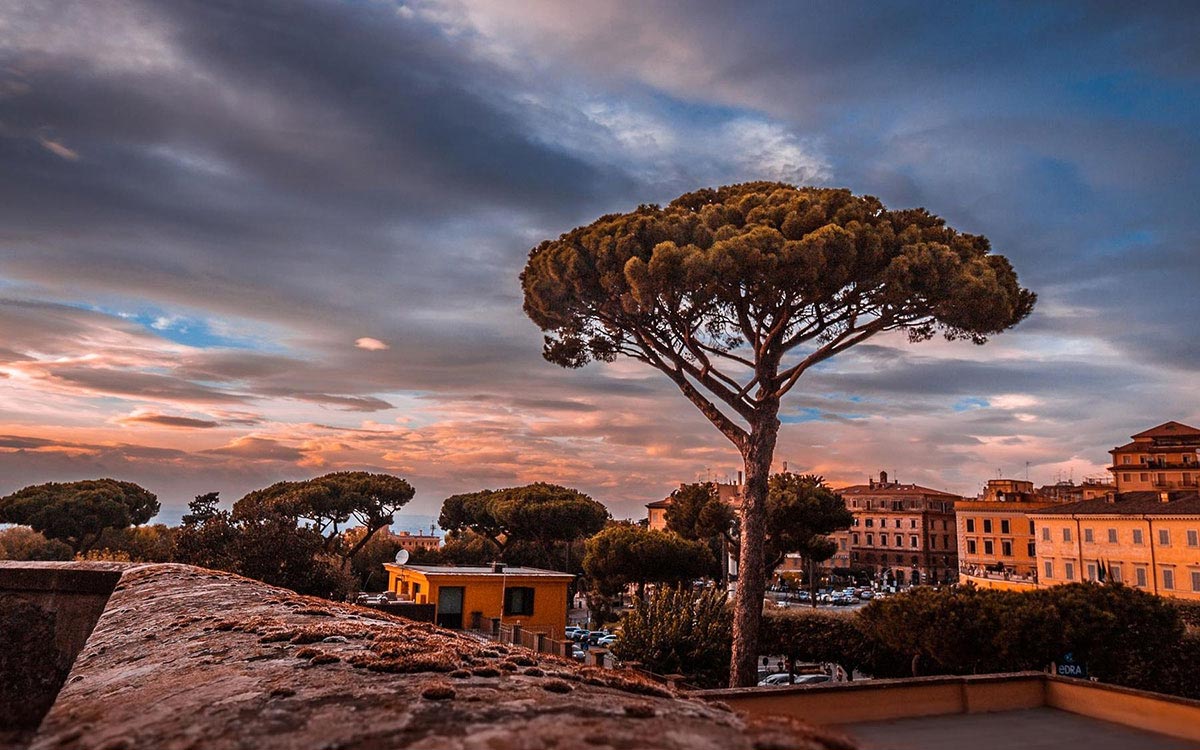
Frascati is the best-known town of the Castelli Romani, the volcanic hills southeast of Rome, and the home of Lazio’s most famous white wine. In 35 minutes you trade city traffic for villa gardens, views back over Rome and rustic fraschette (simple wine taverns) serving porchetta. It is the easiest food-and-wine escape from the capital.
Getting to Frascati from Rome
| Drive time | About 35 min |
|---|---|
| Distance | 21 km (13 miles) |
| Route | Via Tuscolana (SS215) southeast from Rome. No tolls. |
| Parking | Paid blue-line parking around Piazza Marconi and near the train station; a few larger car parks below the center. |
| ZTL | The historic center has a ZTL with entry cameras; park outside it and walk in. |
| Best time to leave | Around 10 a.m. on weekdays, after the commuter rush on Via Tuscolana |
| Driving in Frascati | Moderate. Streets are steep and narrow; if you plan a wine tasting, take the train, because Italy’s drink-driving limit is 0.5 g/l. |
| One-way car rental | Not in Frascati; Ciampino Airport (CIA), about 15 minutes away, has rental desks |
| Train | Direct regional trains from Roma Termini to Frascati, about 30 min, roughly hourly |
| Bus | Regional buses from Anagnina metro station (Line A), about every 30 minutes, about 30 min |
What to see in Frascati
- Villa Aldobrandini. A 17th-century papal villa above the main square, with a dramatic water theater in its gardens and long views to Rome.
- Piazza Marconi belvedere. The terrace beside the main square, with a wide view across the plain to Rome’s domes on clear days.
- Fraschette. Rustic wine taverns where you order local white wine by the jug and eat porchetta, cheese and bread at shared tables.
- Tusculum Archaeological Park. Hilltop ruins of an ancient Latin city above town, with a Roman theater, a stretch of paved road and walking trails.
- Cathedral of San Pietro. The Baroque cathedral on Frascati’s main shopping square, with a two-tower facade rebuilt after heavy wartime bombing in 1943.
Plan your visit to Frascati
- Car rental. Car rental at Rome Ciampino Airport puts you 15 minutes from Frascati.
- Hotels. Book hotels in Frascati with private parking as a quieter base near Rome.
- Tickets. Book Frascati tours and tickets ahead; wine tastings with transport fill on weekends.
12. Rome to Sperlonga
BeachFamiliesRomanticFood
Trip costs by car
RomeSperlonga: 145 km, of which 66 km on toll highways.
| Cost | One way | Round trip |
|---|---|---|
| FuelFuelChargingFuel | €18€16€19€9 | €36€32€38€18 |
| Tolls (approx.) | €5 | €10 |
| Total | €23€21€24€14 | €46€42€48€28 |
Estimate for a gasoline car using 6 l/100 km at the average gasoline price in Italy (€2.04/l). Prices updated Oct 11, 2026.Estimate for a diesel car using 5 l/100 km at the average diesel price in Italy (€2.25/l). Prices updated Oct 11, 2026.Estimate for an electric car using 17 kWh/100 km at the average charging price in Italy (€0.75/kWh). Prices updated Oct 1, 2026.Estimate for an LPG car using 8 l/100 km at the average LPG price in Italy (€0.77/l). Prices updated Oct 11, 2026.
Why go to Sperlonga?
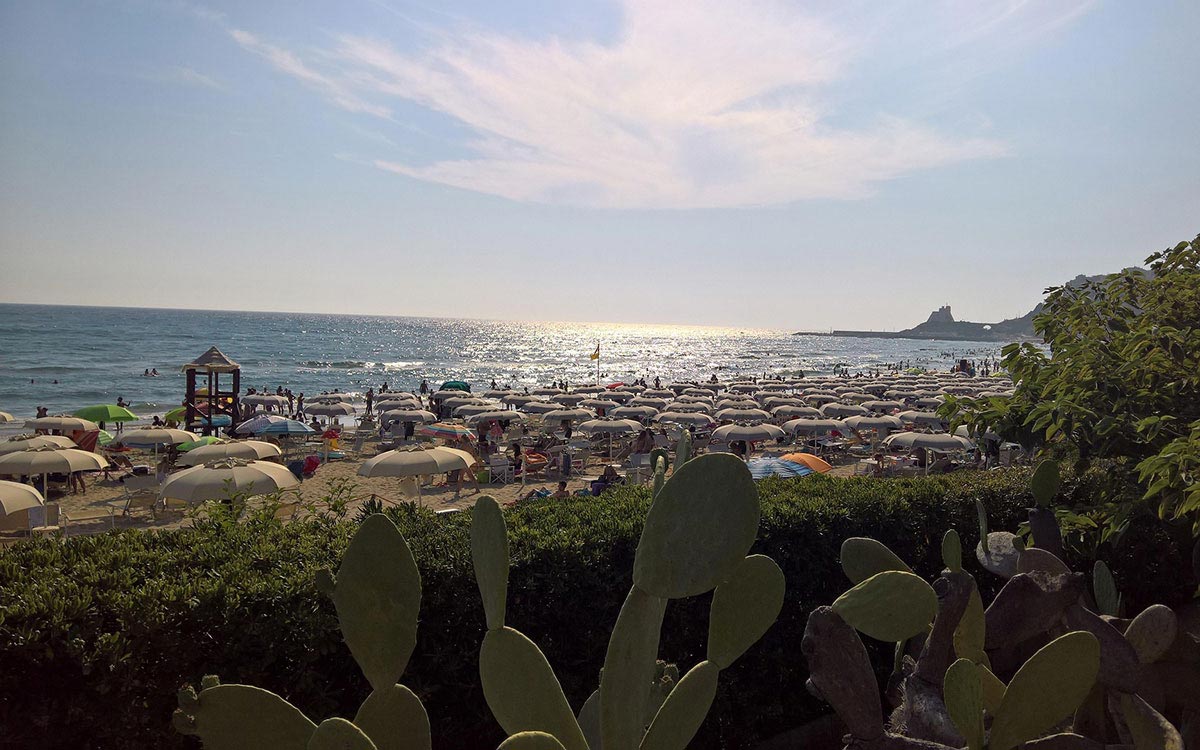
Sperlonga is the best beach day trip from Rome: a whitewashed hilltop village above long sandy beaches, halfway between Rome and Naples. It also has the ruins of Emperor Tiberius’s seaside villa and grotto. July and August weekends get crowded, but in June and September the sea is warm and the village feels calm.
Getting to Sperlonga from Rome
| Drive time | About 2 h 10 min |
|---|---|
| Distance | 145 km (90 miles) |
| Route | A1 toll highway south to the Frosinone exit, then toll-free roads via Priverno to Terracina and the coastal SS213 Via Flacca. Tolls apply. The toll-free Via Pontina (SS148) is shorter but often busier. |
| Parking | Paid car parks above the village and along the beach road; spaces run out on July and August weekends |
| ZTL | The hilltop old town is closed to traffic; park below or above it and walk |
| Best time to leave | 7 a.m. in summer; car parks fill by mid-morning in August |
| Driving to Sperlonga | Moderate. The coastal road is narrow and slow in summer; if you take the Via Pontina, watch for speed cameras. |
| Train | Regional trains from Roma Termini to Fondi–Sperlonga, about 1 h 15 min, then a local bus or taxi for the last 12 km (7 miles) |
| Bus | Local buses from Fondi–Sperlonga station, about hourly in summer and less often in winter |
What to see in Sperlonga
- Old town. Whitewashed lanes, arches and stairways on a rocky headland, with small terraces looking down on the beaches on both sides.
- Sperlonga beaches. Wide sandy beaches on either side of the headland, with free public stretches and beach clubs renting umbrellas and loungers.
- Villa of Tiberius. Ruins of the emperor’s seaside villa, with a natural sea cave once used as a grand summer dining room.
- National Archaeological Museum. Marble sculpture groups found in Tiberius’s grotto, including the huge Polyphemus group showing Ulysses blinding the Cyclops.
- Torre Truglia. A 16th-century watchtower at the tip of the headland, between the two beaches, with the best sunset view along this coast.
Plan your visit to Sperlonga
- Hotels. Choose hotels in Sperlonga with private parking; in summer, book months ahead.
- Tickets. Look for Sperlonga tours and tickets early; summer boat trips sell out.
13. Rome to Lake Bracciano
LakesNatureFamiliesRomantic
Trip costs by car
RomeLake Bracciano: 40 km, no toll highways.
| Cost | One way | Round trip |
|---|---|---|
| FuelFuelChargingFuel | €5€5€5€2 | €10€10€10€4 |
| Tolls (approx.) | €0 | €0 |
| Total | €5€5€5€2 | €10€10€10€4 |
Estimate for a gasoline car using 6 l/100 km at the average gasoline price in Italy (€2.04/l). Prices updated Oct 11, 2026.Estimate for a diesel car using 5 l/100 km at the average diesel price in Italy (€2.25/l). Prices updated Oct 11, 2026.Estimate for an electric car using 17 kWh/100 km at the average charging price in Italy (€0.75/kWh). Prices updated Oct 1, 2026.Estimate for an LPG car using 8 l/100 km at the average LPG price in Italy (€0.77/l). Prices updated Oct 11, 2026.
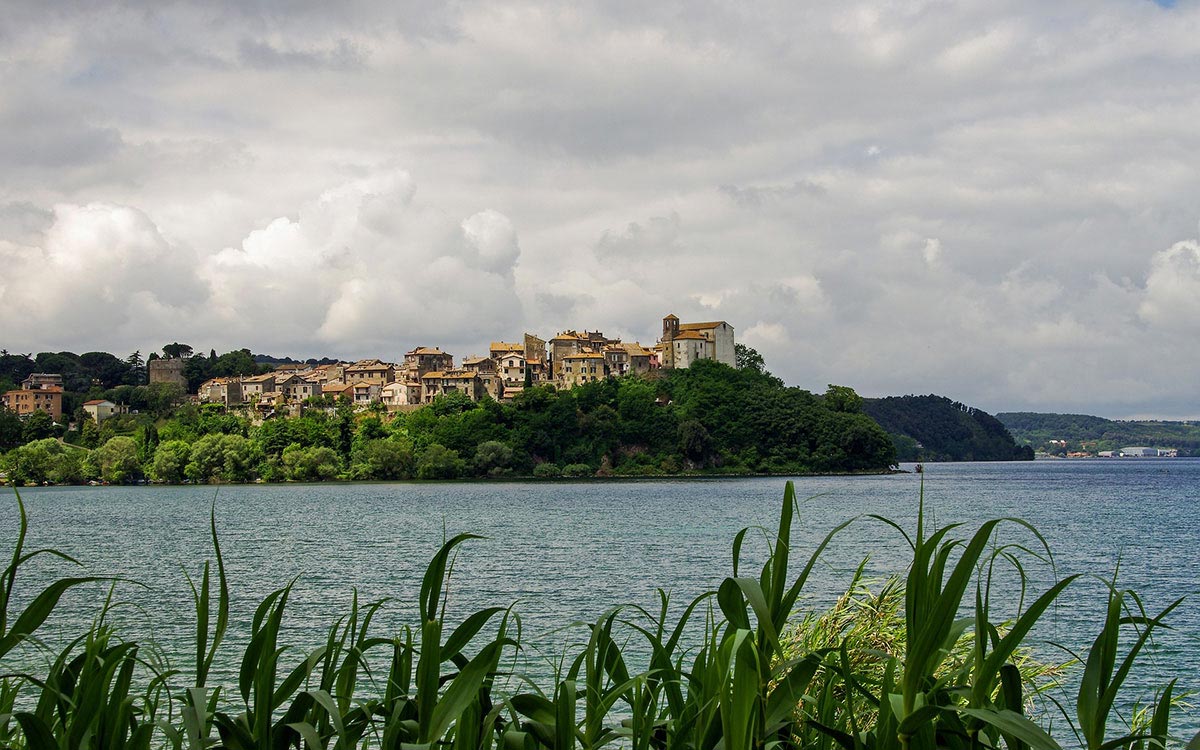
Why go to Lake Bracciano?
Lake Bracciano is a clean volcanic lake under an hour from Rome, ringed by three small towns: Bracciano, Anguillara Sabazia and Trevignano Romano. Motorboats are banned, so the water stays calm and swimmable. Add the Orsini-Odescalchi Castle above Bracciano and you get the easiest lake day trip from Rome.
Getting to Lake Bracciano from Rome
| Drive time | About 55 min |
|---|---|
| Distance | 40 km (25 miles) |
| Route | GRA ring road to Via Cassia, then Via Braccianese Claudia to Bracciano. No tolls. |
| Parking | Paid lakefront parking in all three towns and near Bracciano’s castle; free spaces further from the water |
| ZTL | Bracciano’s center around the castle has restricted access; park outside and walk up. |
| Best time to leave | Before 9:30 a.m. on summer weekends; lakefront parking fills from 10 a.m. |
| Driving around the lake | Easy. The lakeshore road links all three towns; the full loop is about 35 km (22 miles). |
| Train | FL3 regional line from Roma Ostiense, Trastevere or San Pietro to Bracciano or Anguillara, about 1 h, every 30–60 minutes |
| Bus | Regional buses link the three lake towns, useful once you arrive by train. |
What to see at Lake Bracciano
- Orsini-Odescalchi Castle. A 15th-century castle above Bracciano, with frescoed halls, suits of armor and lake views from its towers and walkways.
- Trevignano Romano. The prettiest waterfront on the lake, lined with fish restaurants, small beaches and a promenade that fills on summer evenings.
- Anguillara Sabazia. A medieval old town on a small headland, with steep lanes and the best views across the water to the castle.
- Lake beaches. Free and paid beaches with calm, clean water, where you can rent kayaks or paddleboards; some shores are pebbly underfoot.
Plan your visit to Lake Bracciano
- Hotels. Stay in hotels in Bracciano with free parking and lake views for a slower weekend.
- Tickets. Book Lake Bracciano tours and tickets ahead for castle visits and boat trips.
14. Rome to Banditaccia Necropolis
HistoryCultureFamilies
Trip costs by car
RomeBanditaccia Necropolis: 46 km, of which 12 km on toll highways.
| Cost | One way | Round trip |
|---|---|---|
| FuelFuelChargingFuel | €6€5€6€3 | €12€10€12€6 |
| Tolls (approx.) | €1 | €2 |
| Total | €7€6€7€4 | €14€12€14€8 |
Estimate for a gasoline car using 6 l/100 km at the average gasoline price in Italy (€2.04/l). Prices updated Oct 11, 2026.Estimate for a diesel car using 5 l/100 km at the average diesel price in Italy (€2.25/l). Prices updated Oct 11, 2026.Estimate for an electric car using 17 kWh/100 km at the average charging price in Italy (€0.75/kWh). Prices updated Oct 1, 2026.Estimate for an LPG car using 8 l/100 km at the average LPG price in Italy (€0.77/l). Prices updated Oct 11, 2026.
Why go to the Banditaccia Necropolis?
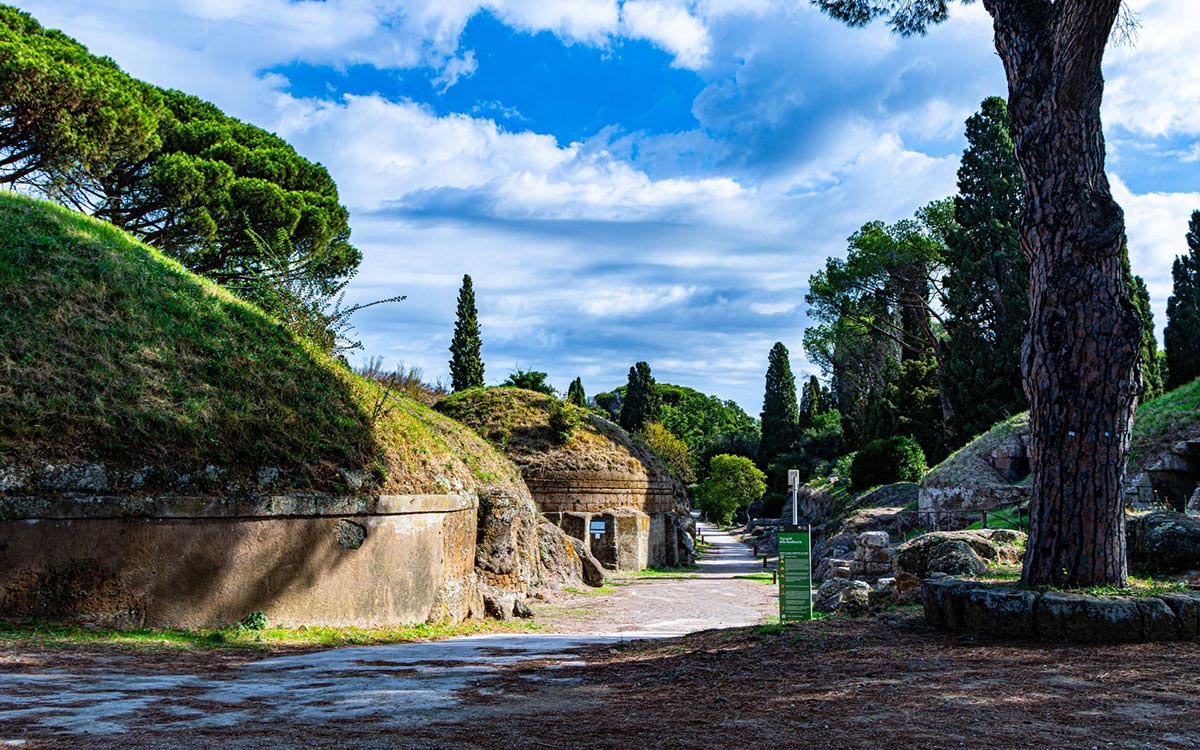
The Banditaccia Necropolis is an Etruscan city of the dead, with grass-covered mound tombs laid out along streets just outside Cerveteri. It is UNESCO-listed together with Tarquinia and is one of the largest ancient cemeteries in the Mediterranean. Under an hour from Rome and rarely crowded, it lets you explore the tombs at your own pace.
Getting to Cerveteri from Rome
| Drive time | About 50 min |
|---|---|
| Distance | 46 km (29 miles) |
| Route | A12 Roma–Civitavecchia toll highway to the Cerveteri–Ladispoli exit, or the toll-free Via Aurelia (SS1) |
| Parking | Free car park at the necropolis entrance on Via della Necropoli |
| Best time to leave | 8:30 a.m., to arrive soon after opening |
| Driving to Cerveteri | Easy. Afterward, drive 5 minutes into Cerveteri for the museum and lunch. |
| One-way car rental | Yes. Return at Fiumicino Airport (FCO), about 30 minutes away. |
| Train | Regional trains from Roma Termini, Ostiense or San Pietro to Cerveteri–Ladispoli, about 40–50 min, then a local bus (about 20 min) or taxi |
| Bus | Regional buses from Cornelia metro station (Line A) to Cerveteri, about 1 h, roughly hourly; then a 25-minute walk |
What to see at the Banditaccia Necropolis
- Tumulus tombs. Huge round mounds of volcanic tuff topped with grass, each holding several family burial chambers you can walk inside.
- Tomb of the Reliefs. A single chamber decorated with painted stucco reliefs of tools, weapons, pets and household objects from Etruscan daily life.
- Via Sepolcrale. The main funeral road through the necropolis, still marked by deep ruts worn into the soft rock by Etruscan cart wheels.
- Tomb of the Shields and Chairs. A burial chamber with chairs and round shields carved straight from the rock, recreating an Etruscan home for the dead.
- National Museum of Cerveteri. A small museum in the town’s medieval castle, displaying vases, jewelry and grave goods recovered from the nearby tombs.
Plan your visit to the Banditaccia Necropolis
- Tickets. See Cerveteri tours and tickets ahead; guided Etruscan visits run on set dates.
The Etruscan necropolises of Cerveteri and Tarquinia are a UNESCO World Heritage Site and among the oldest monumental cemeteries in the Mediterranean.
15. Rome to Gardens of Ninfa
NatureRomanticHistory
Trip costs by car
RomeGardens of Ninfa: 74 km, of which 29 km on toll highways.
| Cost | One way | Round trip |
|---|---|---|
| FuelFuelChargingFuel | €9€8€9€5 | €18€16€18€10 |
| Tolls (approx.) | €2 | €4 |
| Total | €11€10€11€7 | €22€20€22€14 |
Estimate for a gasoline car using 6 l/100 km at the average gasoline price in Italy (€2.04/l). Prices updated Oct 11, 2026.Estimate for a diesel car using 5 l/100 km at the average diesel price in Italy (€2.25/l). Prices updated Oct 11, 2026.Estimate for an electric car using 17 kWh/100 km at the average charging price in Italy (€0.75/kWh). Prices updated Oct 1, 2026.Estimate for an LPG car using 8 l/100 km at the average LPG price in Italy (€0.77/l). Prices updated Oct 11, 2026.
Why go to the Gardens of Ninfa?
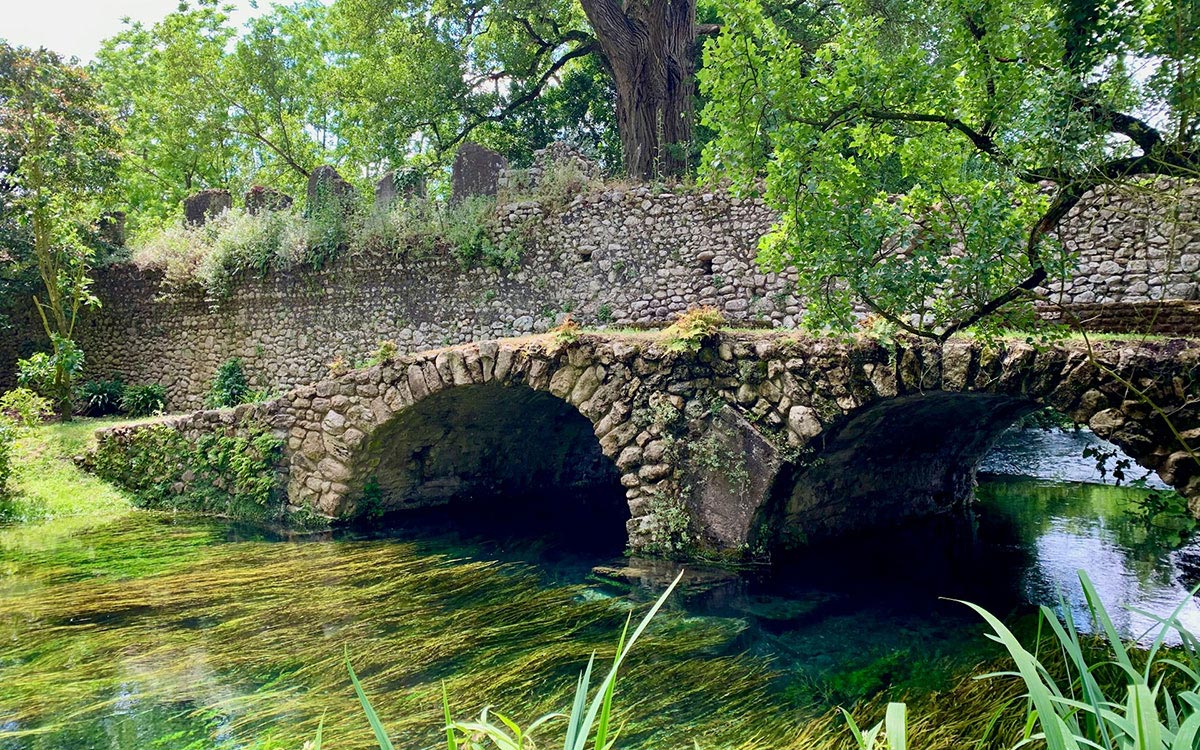
The Gardens of Ninfa are a romantic garden planted among the ruins of an abandoned medieval town, with streams, bridges and more than 1,300 plant species. Spring blossom over crumbling church walls makes it one of Italy’s most admired gardens. Visits are limited and guided, so it feels calm even on busy days.
Getting to Ninfa from Rome
| Drive time | About 1 h 25 min |
|---|---|
| Distance | 74 km (46 miles) |
| Route | A1 toll highway south to the Valmontone exit, then toll-free country roads via Cori to Ninfa. Tolls apply. The toll-free Via Pontina (SS148) to Latina is an alternative. |
| Parking | Car park at the garden entrance. |
| Best time to leave | About 1 h 30 min before your booked entry slot |
| Driving to Ninfa | Easy. The last stretch runs on flat country roads; follow the brown signs for “Giardino di Ninfa.” |
| Train | Regional trains from Roma Termini to Latina, about 35–40 min, then a taxi of about 15 minutes |
| Bus | No practical bus to the gardens; take a taxi from Latina station |
What to see in the Gardens of Ninfa
- Medieval ruins. Church walls, towers and the old town hall of abandoned Ninfa, draped in climbing roses, wisteria and ivy each spring.
- Ninfa River. A clear, cold stream running through the garden, crossed by small stone bridges and lined with water plants and trout.
- Spring blossom. Ornamental cherry trees, magnolias and flowering apples that turn the garden pink and white from late March to early May.
- Caetani Castle tower. A 12th-century tower beside the small lake, part of the old town’s defenses and one of the garden’s best views.
Plan your visit to the Gardens of Ninfa
- Tickets. Book Gardens of Ninfa tickets and tours or the official site well ahead; open dates sell out.
The gardens open only on selected days from spring to autumn; check the opening calendar on the official Giardino di Ninfa website before you plan your trip.
Our Rome car travel guides
- ZTL. Rome has 5 ZTL zones with cameras at every gate, so check the Rome ZTL zones and hours before you drive into the center.
FAQs about day trips from Rome
Pompeii is the best day trip from Rome for most first-time visitors. It is the world’s most complete Roman city, about 2 h 30 min by car or around 2 hours by high-speed and local train. For a shorter outing, Tivoli’s two UNESCO villas are only 45 minutes away and fit into half a day.
Five day trips from Rome take under an hour by car: Ostia Antica and Frascati (about 35 minutes), Tivoli (45 minutes), the Banditaccia Necropolis in Cerveteri (50 minutes) and Lake Bracciano (55 minutes). All five avoid big-city driving, and each is also reachable by regional train in about an hour or less.
Three more day trips take between one and two hours by car: the Gardens of Ninfa (1 h 25 min), Orvieto (1 h 30 min) and Civita di Bagnoregio (1 h 45 min). Add the five places under an hour and you have eight options. Perugia, the Royal Palace of Caserta and Sperlonga are just over 2 hours away.
Yes. Pompeii is worth a day trip from Rome if you start early: the drive takes about 2 h 30 min, and the high-speed train plus the Circumvesuviana around 2 hours. Plan at least four hours on site, book tickets ahead, and consider returning your rental car in Naples and taking the train back.
Yes, but it is a very long day. Positano is more than 3 hours from Rome by car each way, and the coast road is narrow and slow in summer. Guided tours from Rome run 12–14 hours. Spend at least one night on the coast, or visit Pompeii instead, which is closer and easier.
Yes, by train. High-speed trains from Roma Termini reach Firenze Santa Maria Novella in about 1 h 30 min, leaving a full day in the center. Driving is a poor choice: about 3 hours each way, plus Florence’s large ZTL. If you have a car, Siena is the better Tuscan day trip.
The best day trips from Rome by train are Naples, Florence, Orvieto, Tivoli, Ostia Antica, Frascati and Lake Bracciano, because each has a direct train and a station close to the sights. Naples and Florence take 1 h 10 min–1 h 30 min by high-speed train; Ostia Antica and Frascati about 30 minutes; the rest about an hour.
Yes. Siena is the easiest Tuscan day trip from Rome, about 2 h 25 min by car on the A1 and the Siena–Bettolle highway. Florence works by high-speed train in about 1 h 30 min. With a car, you can also reach Montepulciano or the Val d’Orcia, both roughly 2 hours from Rome.
Yes, but it is not recommended. High-speed trains take about 3 h 45 min each way, so you spend more than 7 hours traveling for about 6 hours in Venice. Driving makes no sense, because the historic city is car-free. Stay at least one night if you want to see Venice properly.
Usually, yes. A car makes Civita di Bagnoregio, the Gardens of Ninfa, Sperlonga, Cerveteri and Lake Bracciano far easier, and lets you combine Orvieto and Civita in one day. Skip the car for Naples and Florence, where trains are faster and parking is costly. Pick up at Fiumicino or Ciampino to avoid Rome’s ZTL.
Ostia Antica and Lake Bracciano are the easiest family day trips from Rome, both under an hour away, with easy walking and space for kids to run. Sperlonga (about 2 hours) is the best beach day. Pompeii, the Royal Palace of Caserta and the Banditaccia Necropolis work well with older children.
Sperlonga is the best beach day trip from Rome. Its whitewashed hilltop old town sits above two long sandy beaches, and the Villa of Tiberius ruins are a short walk along the coast. The drive takes about 2 h 10 min; leave by 7 a.m. in summer, because the car parks fill by mid-morning.
Orvieto is the best food and wine day trip from Rome, about 1 h 30 min by car. Taste Orvieto Classico white wine in cellars carved into the volcanic rock, and order Umbrian dishes like truffle pasta in the old town. For a shorter outing, Frascati is only 30 minutes away, with simple fraschette taverns serving porchetta and local white wine.
Tivoli is the best half-day trip from Rome, about 35 minutes by car. You can see the fountains of Villa d’Este in a morning and be back in Rome for lunch, or add Hadrian’s Villa for a longer afternoon. Both villas are UNESCO World Heritage Sites.