Is it worth renting a car in Italy? Real pros, cons, and costs
Is it worth renting a car in Italy? The answer isn’t universal, and this guide helps you understand when renting a car adds value—and when it doesn’t.
Renting a car in Italy raises the same question for almost everyone: is it actually worth it? After renting cars across Italy—from busy airports to quiet regional hubs, the answer is rarely a simple yes or no. Renting a car in Italy is often unnecessary in major cities, but it makes sense for countryside travel and road trips. This guide breaks down when renting a car in Italy actually makes sense, when it doesn’t.
This article contains affiliate links.

Where to find the best car rental deals in Italy
Before booking anything, it helps to compare prices. Discover Cars and EconomyBookings are car rental comparison platforms that line up prices across Italy. Same car, different prices. Compare smartly and, yes, savings can reach up to 75%.
Prices change fast in Italy, so comparison tools help make sense of the chaos.
Discover Cars
Honestly, if you like seeing everything laid out clearly, Discover Cars feels reassuring. You compare big-name brands and the most trusted local agencies in one place. Prices vary wildly in Italy, especially by season, so that a quick comparison can quietly save real money.
EconomyBookings
EconomyBookings works in a similar, no-fuss way. One search, lots of Italian rental options. It mixes global brands with smaller local players, which matters more than you’d think. Flexible pickup spots, sensible prices, fewer surprises at the counter.
Should you rent a car in Italy?
So, should you rent a car in Italy or rely on public transport? Italian cities and the countryside play by different rules.
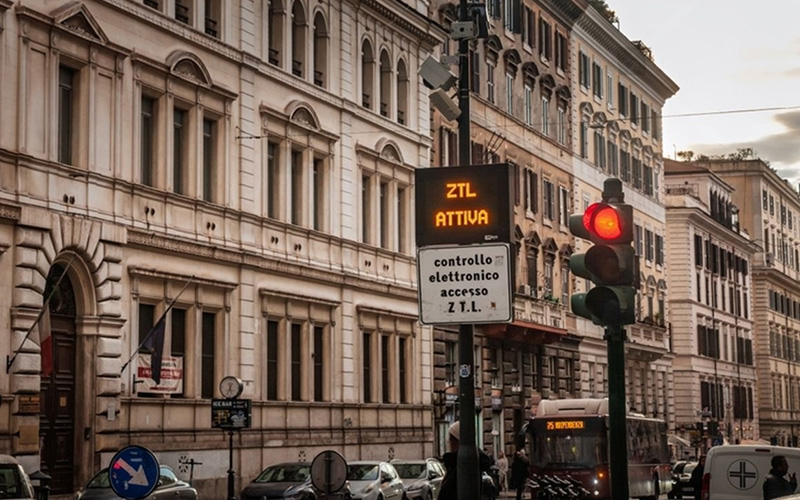
Cities are tight, loud, and ruled by ZTL zones, buses, scooters, and confidence. Trains and taxis usually make life easier there.
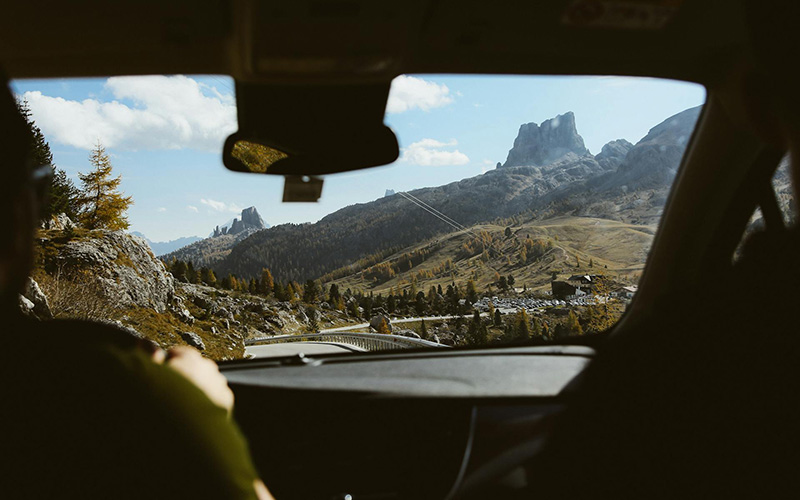
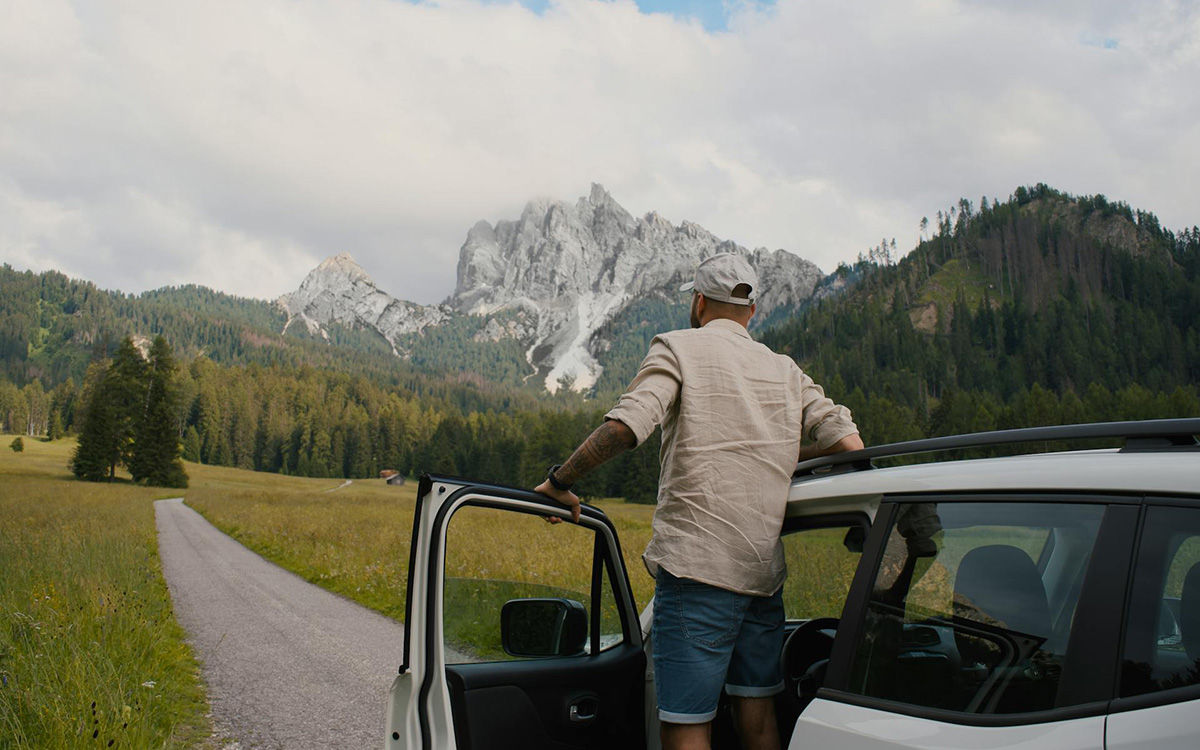
Step outside the cities, though, and it flips. Roads open up. Schedules relax. A car suddenly feels practical, even freeing. For road trips and self-drive travel, a car changes how Italy feels.
If you’re unsure, our complete guide to renting a car in Italy lays it all out. Costs, rules, real mistakes, and small wins you only notice once you’re there.
Renting a car in Italy: real pros and cons
Here’s the honest take. Renting a car in Italy isn’t good or bad by default. It depends. The trick is knowing where it shines and where it quietly causes headaches.
Pros
- Freedom feels real. A car gives you control. No timetables, no rushing. Want to stop for espresso in a sleepy village or chase a sunset? You can. That kind of flexibility matters, especially outside the cities.
- Countryside access. Italy’s best moments often sit far from train stations. Vineyards, hill towns, and beaches with no signs. A car turns “hard to reach” into “why not?”
- Time efficiency. On paper, trains are fast. In reality, transfers add up. With a car, short distances stay short. That’s a quiet win.
- Comfort for groups. Traveling with family or friends? Splitting costs helps. Luggage fits. Conversations continue. It’s practical, not romantic, but useful.
Cons
- City driving stress. Italian cities don’t ease you in. Tight streets, scooters everywhere, ZTL zones watching closely. Even calm drivers feel tense here.
- Parking puzzles. Finding parking can feel like a slow negotiation with fate. Garages cost more than expected, and street rules aren’t always clear.
- Extra costs sneak in. Fuel, tolls, insurance upgrades. Individually small, together noticeable. Especially in peak season.
- It’s not always faster. Ironically, trains often beat cars between major cities. Sometimes the smart move is not driving at all.
Do you need a car in Italy?
Do you need a car in Italy? Honestly, not always. Cities run on trains, trams, and walking shoes. Rome, Milan, Florence—public transport does the heavy lifting. Driving there often feels like work, not freedom.
But then things shift. Step outside the cities, and Italy opens up. Rural roads, coastal bends, villages without stations. That’s where a car starts to make sense. Not everywhere, not every day.
The decision often depends on where you’re headed. Our guide to the best regions to visit in Italy by car helps clarify that. Some regions reward slow driving; others don’t ask for it at all.
Things to know before renting a car in Italy
Before you sign anything and grab the keys, a few things are worth knowing. Practical tips for renting a car in Italy make it clear why the details matter. Here are the big ones.
- International driving permit matters. If your license isn’t from the EU, you’ll likely need an IDP. Some counters won’t ask. Others absolutely will. It’s better to have it than argue after a long flight.
- Manual cars are the default. Automatics exist, but they’re fewer and cost more. If you can’t drive stick, book early. Very early.
- ZTL zones in Italy are real trouble. Historic city centers restrict traffic. Cameras enforce it quietly. Enter once, and a fine follows months later. Not a fun souvenir.
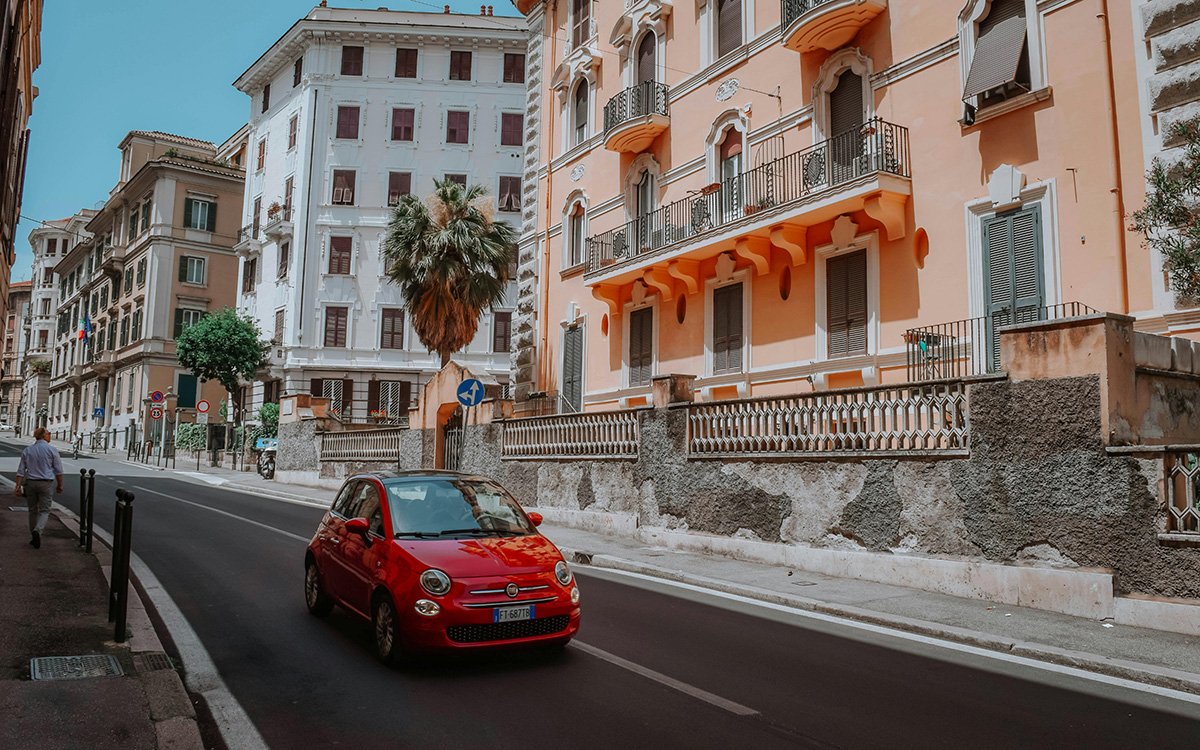
- Small cars win in Italy. Narrow streets, tight parking, old towns. Smaller cars mean less stress. And fewer scratches.
- Insurance fine print matters. Basic coverage looks cheap. Then comes the excess. Read carefully, especially for tires and glass.
- Fuel rules can trip you up. Diesel is common. Pumps close early in rural areas. Self-service machines don’t always love foreign cards.
- Pick-up location changes everything. Airports are easy. City centers, less so. Sometimes paying a bit more upfront saves hours later.
- Timing affects the price a lot. Summer spikes. Spring and fall feel calmer and cheaper. Book early for lower prices and car availability.
For official details on documents, driving rules, and basic requirements, this overview of official driving and rental requirements in Italy explains what applies to visitors.
Is renting a car in Italy expensive
Is renting a car in Italy expensive? It can feel that way at first glance. Prices jump around, especially between seasons and cities.
But here’s the quiet truth—Italy isn’t the problem. Booking without comparing is. Rates change fast, sometimes by the hour, and the same car can show wildly different prices depending on where you look. That’s why learning how to spot cheaper options matters more than people expect.
On average, rental cars in Italy cost €30–50 per day outside peak summer, and €60–90 when demand spikes. These patterns haven’t changed much in recent years. With price comparison, travelers often pay up to 75% less for the same car.
If you want to see how people keep those numbers low, this breakdown on how to find a cheap rental car explains the small choices that matter.
Is it better to rent a car or use trains in Italy?
The honest answer sits somewhere in the middle. Trains are fast, reliable, and stress-free between big cities. Rome to Florence, Milan to Venice—rail travel simply works, and often works better than driving.
But plans change once you land. If your trip includes countryside stops or flexible schedules, a car makes sense.
Many travelers pick up wheels right after landing. Car rental at Rome Fiumicino airport is a smooth start for trips south or into the countryside. While car rental at Milan Malpensa airport works well for northern routes and nearby regions.
Trains for cities, cars for freedom. Italy rewards balance.
Is renting a car in Italy worth it for tourists
It depends on how you travel. If your days stay inside major cities, trains, and walking, keep things simple. They’re efficient, familiar, and surprisingly calming. No traffic stress. No parking puzzles. Just point-to-point travel that works.
Then plans loosen. Maybe you want coastal views or small towns with long lunches. That’s when a car starts to feel useful. Many travelers pick one up on arrival. Car rental at Venice airport suits northern routes and the lake country, while car rental at Naples airport makes southern adventures far easier.
Is it safe to rent and drive a car in Italy?
Is it safe to rent a car in Italy?
Short answer—yes. Renting a car in Italy is generally safe and well-regulated. Rental companies follow clear rules, vehicles are checked often, and insurance is part of the deal. The paperwork can look heavy at first glance, especially after a flight, but the system itself is dependable. Read the details, walk around the car, note any marks, and move on. Nothing dramatic here.
Is it safe to drive in Italy?
Here’s where perception matters. Driving in Italy is safe, but it feels different. Locals drive with confidence and expect awareness, not hesitation. Cities can feel loud and fast; rural roads calm things down. Stay alert, follow the flow, and don’t rush decisions. Give it a day, and it usually clicks.
So, is it worth renting a car in Italy?
It depends on how and where you travel. A car makes sense for countryside routes, coastal drives, and flexible itineraries where public transport falls short. For trips focused on major cities, trains and walking usually offer a simpler, less stressful experience.
FAQs
Sometimes. It’s great for the countryside and small towns. In big cities, it’s usually more trouble than it’s worth. Trains win there, and your nerves will thank you.
Book ahead, bring your license, a credit card, and often an International Driving Permit. Check the car carefully before driving off. Photos help, and so does reading the fuel policy twice.
Spring and fall. Better prices, fewer crowds, calmer roads. Summer works but costs more and feels busier, especially near the coast.
Yes, most are modern and well-kept. Just inspect the car at pickup to avoid surprises later. A quick check saves a lot of back-and-forth emails.
You take a ticket when entering and pay when exiting. Tolls aren’t cheap, but they save time and stress on long drives. For long distances, they’re usually worth it.
No. Manuals are common. Automatics exist, but you need to book early and expect higher prices. Availability drops fast in peak season.
The rental company forwards your details to the authorities. You’ll get the fine by mail months later, often with extra admin fees added.
Usually not. If you’re staying in just one Italian city, public transport, walking, and occasional taxis are typically more convenient than driving. Parking, traffic restrictions, and ZTL zones often make a rental car more hassle than help in city-only trips.
The countryside, coastal areas, and regions with small villages. Places where schedules are loose, and scenery rewards slow detours.
Mostly yes, once you adjust. Roads can be narrow, drivers confident, and signs sometimes subtle, but you get used to it faster than you expect.