10 best regions to visit in Italy by car
The choice of the best regions to visit in Italy sets the tone for your entire journey, as the country’s variety is so rich that the right choice often depends on how you prefer to explore.
Some places impress you on arrival. Others grow on you as you move through them, slowly, mile by mile. When distances stretch, trains thin out, and towns sit just far enough apart, it becomes clear why the best regions to visit in Italy by car are often the ones where freedom of movement quietly does most of the work.
This article contains affiliate links.
Where to find the best car rental deals in Italy
Discover Cars
For car rental price comparison in Italy, this platform allows you to compare major global brands and the most trusted local companies side by side. Honestly, comparing car rental deals can save up to 75%, which matters when fuel, tolls, and espresso stops start adding up.
EconomyBookings
With a similar approach, EconomyBookings lets you compare car rental prices across Italy in a single search. It brings together well-known international brands and local providers, making it easier to find fair prices, flexible pickup locations, and cars that actually suit your trip.
So, what are the 10 best regions to visit in Italy by car?
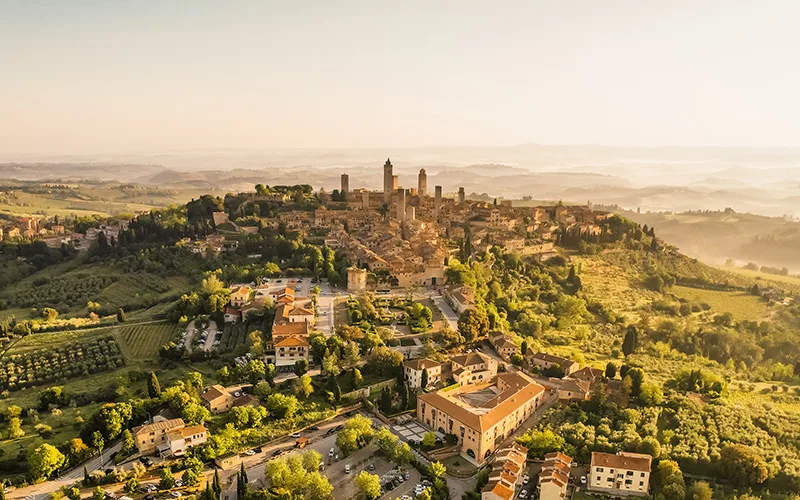
1. Tuscany

Driving difficulty: Easy
Best explored by car: Chianti wine roads, Val d’Orcia, Siena, San Gimignano, rural countryside
Ideal for: Food lovers, scenic road trips, slow travel
Why a car works here
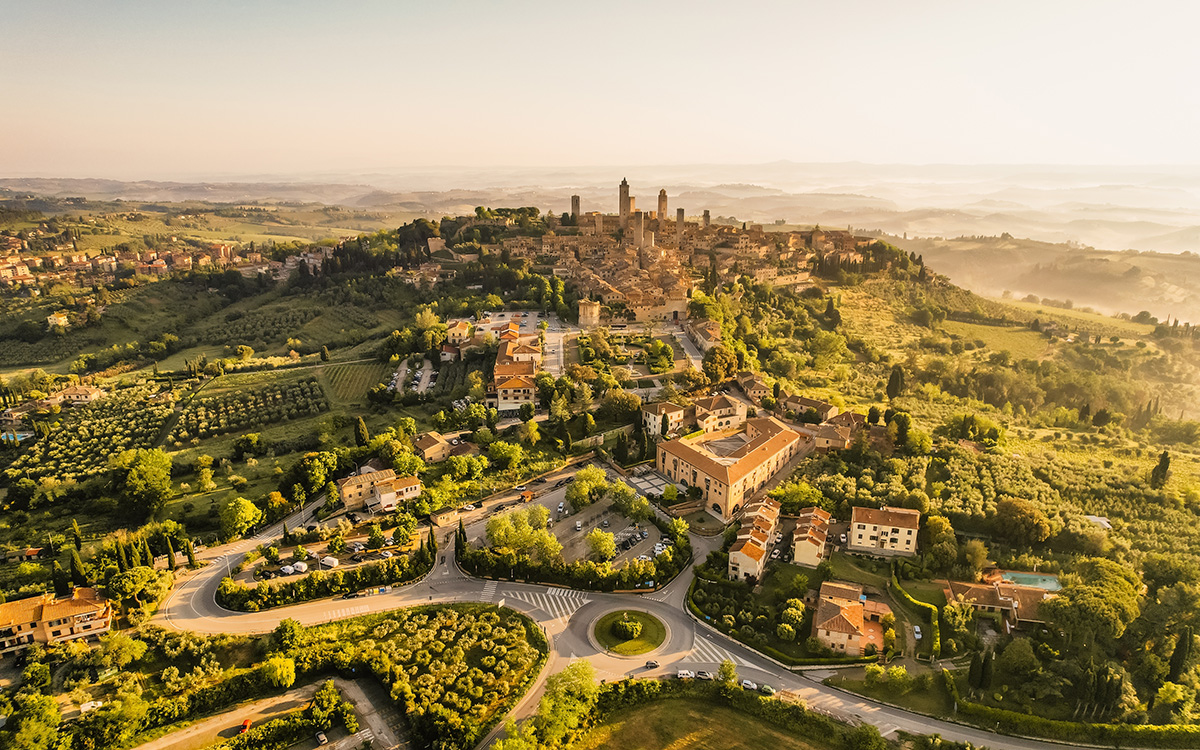
Tuscany spreads out—hills, open fields, small towns appearing without warning. That’s why starting with car rental in Florence makes sense. The region runs on connections rather than a single center. You stop when a view pulls you in, move on when curiosity nudges. Trains won’t wait. A car will. And that freedom changes the whole tone of the trip.
What driving feels like
Driving here is calm. Roads are solid, signs make sense, and towns sit close together. From a planning angle, it’s low-effort travel. Once you leave big cities, traffic thins out. What’s left are winding roads that feel like part of the reward, not work.
What changes once you have a car
Without a car, you skim the surface. With one, you see daily life. Small towns without stations. Villages where lunch still runs late. Back roads through wine country that keep shifting the view. You linger or move on as needed. No schedule tapping its watch. That flexibility quietly reshapes everything.
Where most trips begin
Many travelers start in Florence. It’s dense, energetic, full of art and people. Then, when the city buzz starts to feel loud, they head out. It’s a clean transition. Flying in? Car rental at Florence Peretola Airport or car rental at Pisa Airport gets you moving fast. One moment you’re dealing with terminals and luggage. Next, you’re driving past open fields.
2. Piedmont

Driving difficulty: Easy
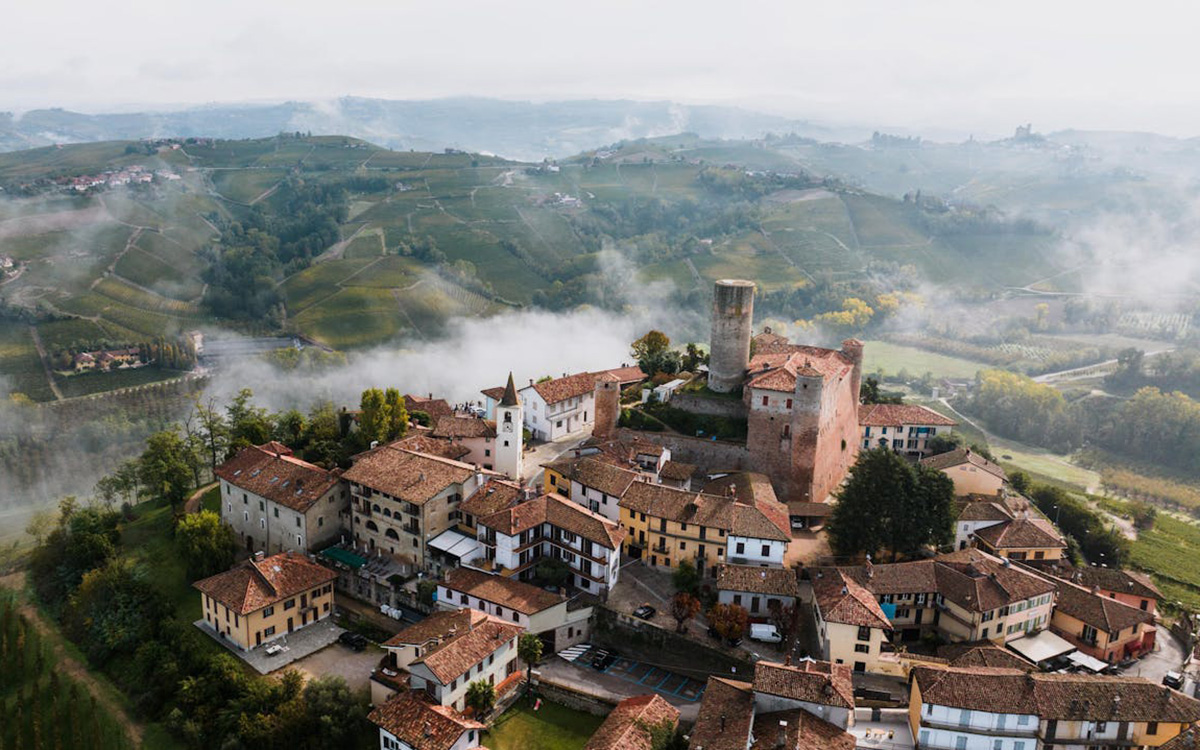
Best explored by car: Langhe hills, Barolo and Barbaresco villages, Alpine foothills, Alba
Ideal for: Wine enthusiasts, gastronomy-focused trips, quieter travel
Why a car works here
Piedmont doesn’t chase attention. It prefers depth. Vineyards stack neatly, towns keep their posture, and mountains sit quietly in the background. That restraint is what makes the region so rewarding to explore by road. A car lets you read the margins, not just the headlines.
What driving feels like
With a car rental in Turin, driving through Piedmont feels deliberate rather than rushed. The routes make sense, road surfaces are reliable, and distances work in your favor. From a planning perspective, it’s efficient routing. From behind the wheel, it feels like certainty. You’re not wondering what comes next.
What changes once you have a car
Without a car, Piedmont feels formal. With one, it softens. You catch morning light in the Langhe, arrive early to villages before lunch takes over, and leave when conversations stretch. Days breathe. Schedules loosen. You’re not collecting places. You’re letting them overlap.
Where most trips begin
Turin has a way of organizing things without making a show of it. Wide streets, clear directions, and multiple ways out. That’s useful when you’re planning to leave and explore Piedmont. A better solution is car rental at Turin Airport if you are coming by plane – it puts vineyards and valleys within reach before the city fully fades behind you.
3. Sicily

Driving difficulty: Medium
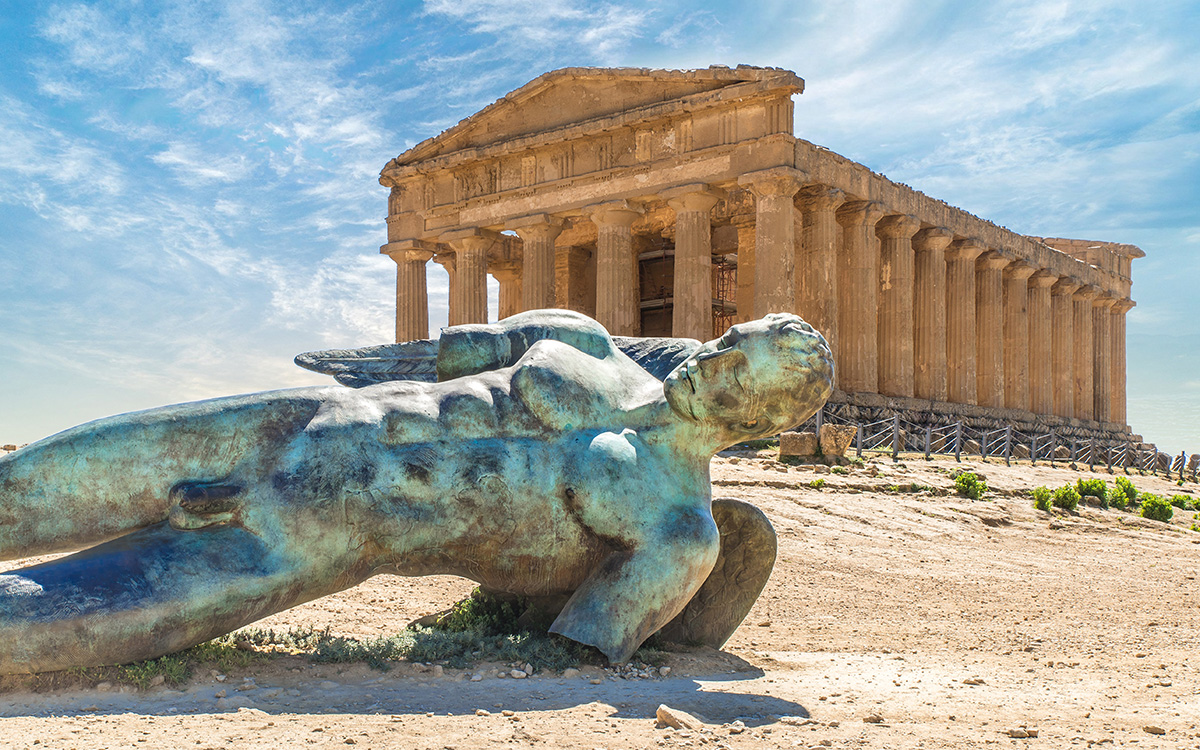
Best explored by car: Mount Etna, coastal routes, inland villages, Valley of the Temples
Ideal for: Adventurous travelers, history buffs, long road trips
Why a car works here
Sicily moves at its own tempo. Markets open late. Lunch stretches. Roads drift between coast, hills, and heat. That pace isn’t a flaw. It’s the system. Driving gives you the freedom to adjust without fighting the rhythm. You wait when it makes sense. You move when it feels right.
What driving feels like
The first hour can feel intense. Lanes blur, horns speak their own language, and rules feel flexible. Then it clicks. Patterns appear. From a practical view, it’s manageable once you stop resisting. From the seat, it becomes engaging. You’re not rushing through Sicily. You’re negotiating with it.
What changes once you have a car
Without a car, Sicily feels fragmented. With one, it connects. Inland villages, volcanic slopes, forgotten beaches. You shift plans based on weather, appetite, and mood. No rigid sequence. That freedom suits an island shaped by layers and interruptions. You don’t follow a route here. You respond.
Where most trips begin
Most travelers touch down either in Palermo or Catania, then head outward. Choosing a car rental at Palermo Falcone Airport sets you up for the west. Starting with car rental at Catania Fontanarossa Airport works better for the east and Mount Etna routes. Two gateways. One mindset: keep moving.
4. Puglia

Driving difficulty: Easy
Best explored by car: Alberobello trulli, white towns, Adriatic coast, olive groves
Ideal for: Relaxed travel, beach lovers, slow-paced road trips
Why a car works here
Puglia doesn’t show off on arrival. It takes its time. White towns appear after long stretches of stone walls, and olive trees repeat like punctuation marks. This isn’t a place built for quick hops. It’s a region that rewards slow travel by car, where the silences between stops start to matter.
What driving feels like
Driving here feels old-fashioned in a good way. Long, flat roads. Clear sightlines. Fewer decisions per minute. From a practical angle, it’s efficient. From a human one, it’s calming. You’re not reacting. You’re observing. The landscape sets the pace, and somehow, you follow it without trying.
What changes once you have a car
Without a car, Puglia feels selective. With one, it becomes generous. Farm roads lead to bakeries. Coastal drives turn casual swims into habits. Towns without schedules suddenly fit your day. You don’t plan tightly here. You adjust. That looseness isn’t careless. It’s how the region works.
Where most trips begin
Bari works as a natural springboard for exploring the region. It’s well connected, easy to exit, and positioned between coast and countryside. That’s why car rental in Bari makes sense right away. Picking up your car with a car rental at Bari Airport lets you head inland or south with ease, before the day really gets going.
After a few regions, the pattern becomes hard to miss – traveling this way only really works when you’re free to move on your own terms.
5. Lombardy

Driving difficulty: Medium
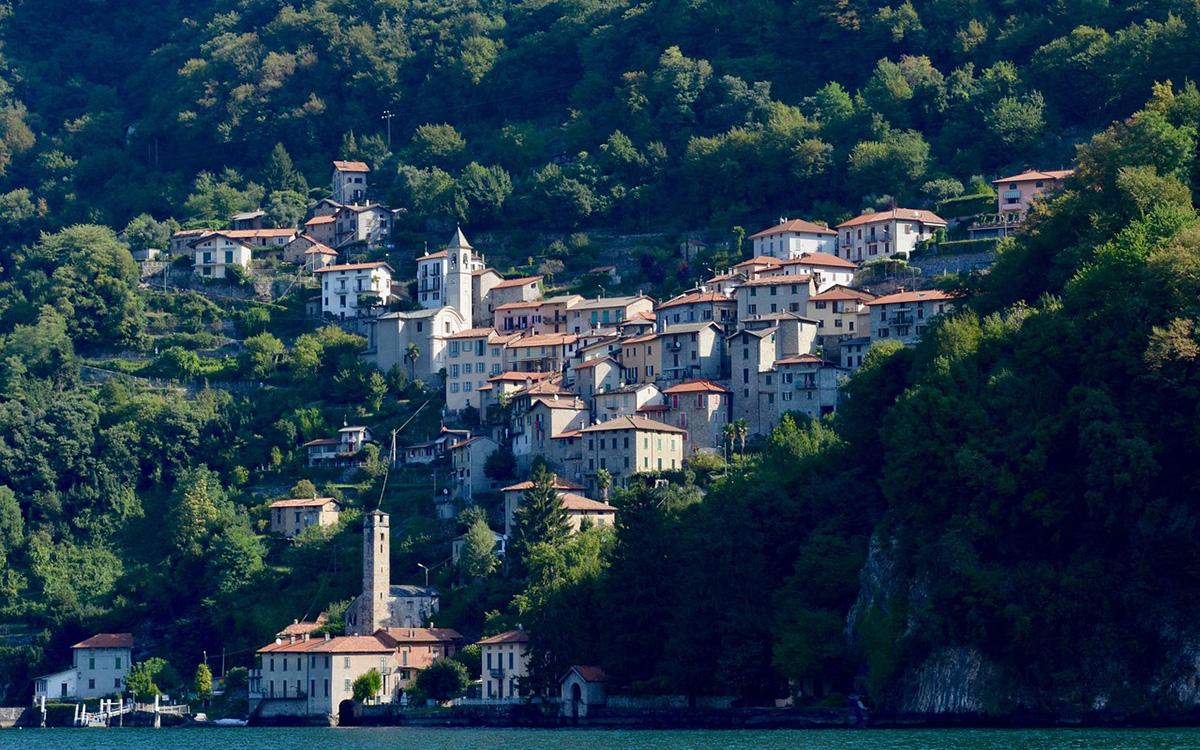
Best explored by car: Lake Como, Lake Garda, Alpine valleys, Bergamo countryside
Ideal for: Travelers seeking variety, lake scenery, mixed urban–nature trips
Why a car works here
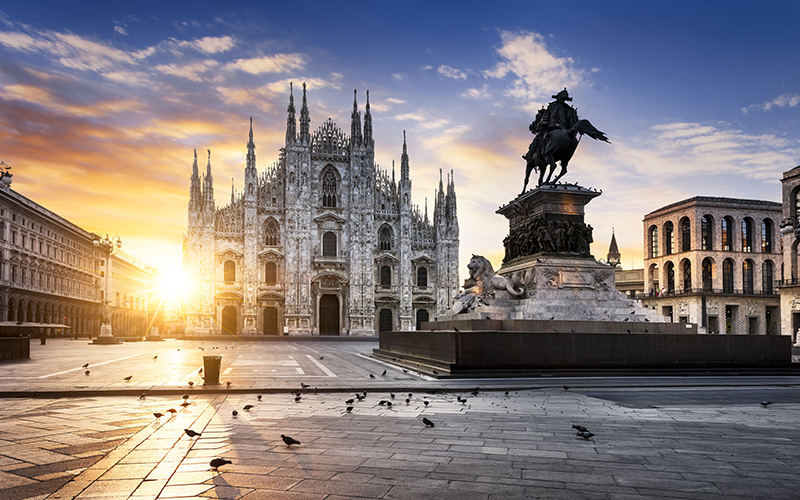
Lombardy doesn’t reveal itself all at once. It reads more like a layered report than a postcard—cities, lakes, valleys, factories, vineyards, all side by side rather than in sequence. That’s why it ranks among Italy’s most rewarding regions. Starting with a car rental in Milan lets you move between those layers freely, reading between the lines as you go.
What driving feels like
Yes, Milan traffic has a reputation. It’s earned. But here’s the twist. Step outside the metro area, and the system calms down. Roads become predictable. Distances stay tight. From a planning lens, it’s efficient movement. From the driver’s seat, it feels organized rather than overwhelming.
What changes once you have a car
Trains show you Lombardy’s headline acts. A car shows you the footnotes. Industrial towns with great food. Lake roads that bend without warning. Alpine routes where the weather writes its own rules. You’re not chasing departures. You’re choosing directions. That shift changes how the region lands.
Where most trips begin
Most routes trace back to Milan airports, even if that’s not the goal. It’s a launchpad, not a destination for everyone. Landing through Milan Malpensa Airport or at Milan Linate Airport means you can bypass transfers and start moving outward fast.
6. Campania

Driving difficulty: Medium
Best explored by car: Amalfi Coast, Mount Vesuvius, Pompeii, Cilento coast
Ideal for: History lovers, dramatic landscapes, coastal driving
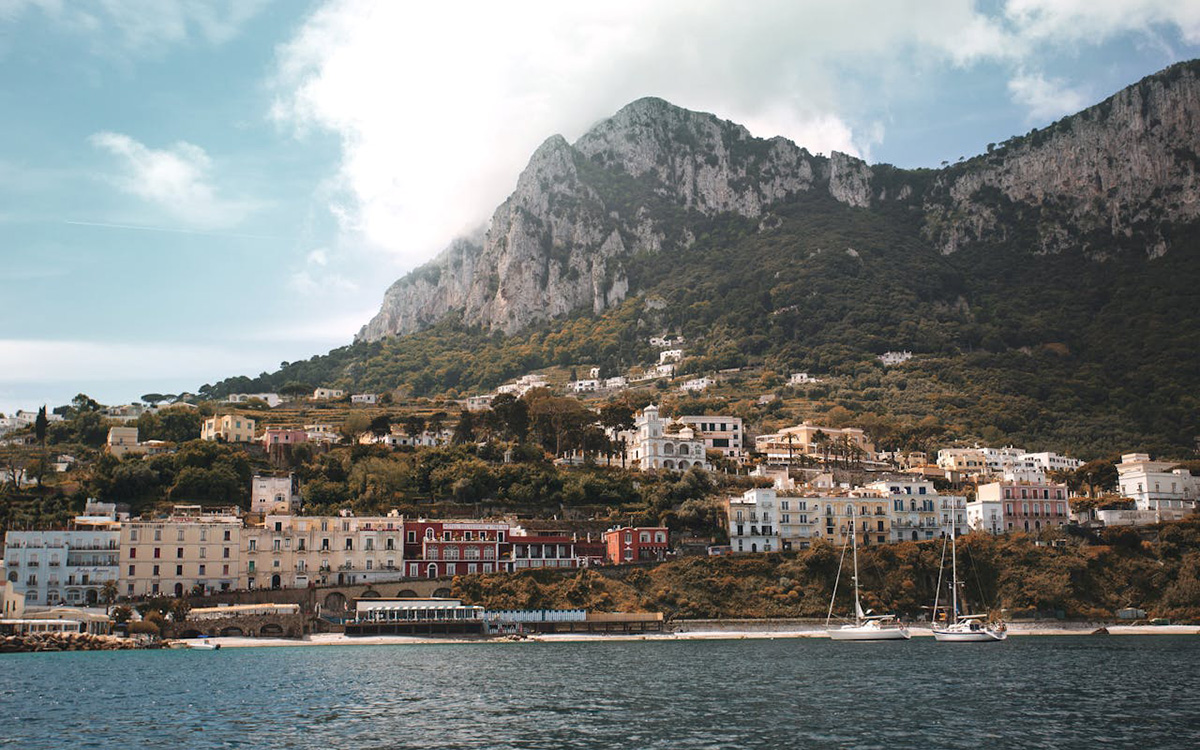
Why a car works here
Campania doesn’t ease you in. It jumps between chaos and calm, often within the same hour. Dense cities give way to citrus groves. Coastal cliffs follow flat farmland. That contrast is the point. A car lets you move between extremes without waiting for the region to slow down first.
What driving feels like
Let me explain. The first stretch can feel loud. Scooters, buses, tight turns. Then, almost suddenly, it clears. Roads open up. Views widen. From a practical angle, it’s manageable if you stay alert. From a traveler’s angle, it’s memorable. You don’t zone out here. You stay present.
What changes once you have a car
Without a car, Campania feels compressed. With one, it stretches. You catch quiet mornings inland, reach the coast before crowds settle, leave when the balance tips. Plans stay loose. Days adjust themselves. That flexibility matters in a region that doesn’t follow neat schedules.
Where most trips begin
For many travelers, the first real move happens through car rental at Naples Airport. Pick up the car, take a breath, and point outward. North, south, inland, coast. The city stays behind quicker than expected. Suddenly, you’re driving through space instead of noise.
7. Umbria

Driving difficulty: Easy
Best explored by car: Assisi, hill towns, green valleys, rural back roads
Ideal for: Quiet escapes, cultural travelers, uncrowded countryside
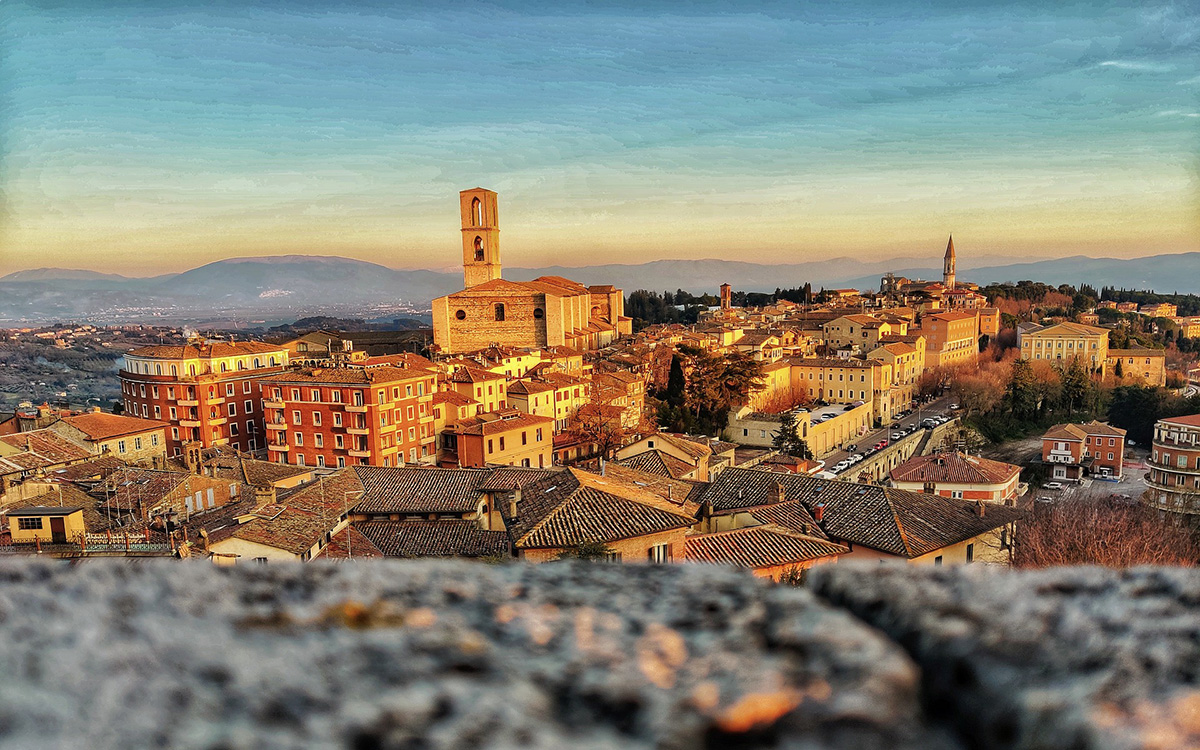
Why a car works here
Umbria stays quiet by choice. No coastline, no loud entry points—just hills, fields, and towns that sit where they’ve always sat. That understatement is what makes the region so well-suited to exploring by car. A car helps you notice the gaps, not rush through them.
What driving feels like
Driving here rewards calm attention. Routes rise and dip, never in a hurry. Signs are clear, distances modest. From a planning view, it’s a manageable trip. From the seat, it feels reflective. You slow down without trying. The road sets the tone, and the day follows.
What changes once you have a car
Without a car, Umbria feels selective. With one, it opens sideways. Hill towns without stations. Valleys that don’t advertise themselves. Lunch spots found by timing, not reviews. You arrive when it feels right. That flexibility fits a region that prefers pauses over checklists.
Where most trips begin
Perugia isn’t flashy, but it’s efficient. Elevated, compact, and easy to exit in more than one direction, it quietly sets trips in motion. That’s why car rental in Perugia fits the logic of the region. If you are coming by plane, car rental at Perugia Airport lets you move off early, toward the hills or the water, before the roads fully wake up.
8. Veneto

Driving difficulty: Easy
Best explored by car: Prosecco hills, Lake Garda, Verona surroundings, foothills
Ideal for: Wine routes, flexible itineraries, combining cities and nature
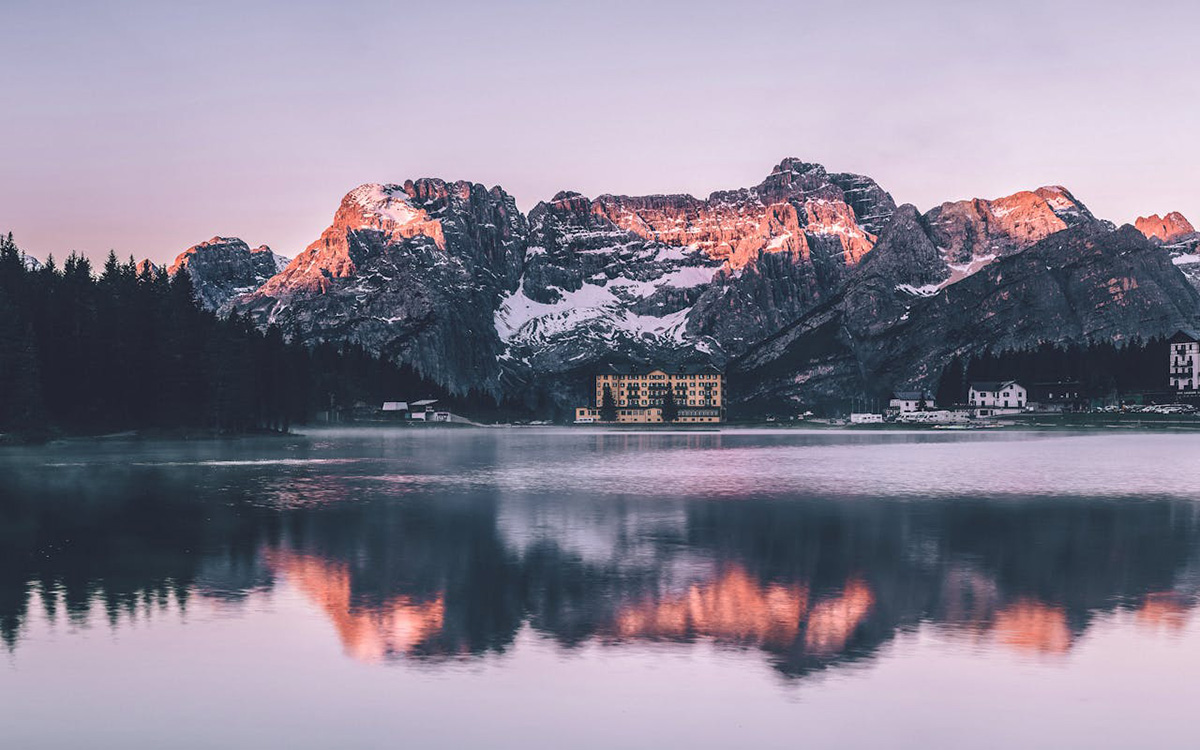
Why a car works here
Veneto behaves like several regions sharing one name. Lagoon cities, vineyard hills, mountain edges, and flat farmland all coexist. That mix is what makes the region especially well suited to exploring by car. A car lets you move laterally, not linearly, connecting places that were never meant to be visited in isolation.
What driving feels like
Driving in Veneto isn’t dramatic. It’s practical. Outside the lagoon areas, roads are logical and well-marked. Distances stay reasonable. From a travel-planning view, it’s efficient routing. From the seat, it feels steady. You’re not battling terrain. You’re navigating options, which is easier on the brain.
What changes once you have a car
Veneto rewards side trips. Prosecco hills before lunch. A lakeside town because the light looked right. Alpine foothills when the weather shifts. Without a car, those choices disappear. With one, your day stays flexible. Plans adjust naturally. That control changes how relaxed the trip feels.
Where most trips begin
Many trips trace back to Venice, even if you don’t stay long. For road travel, the real starting points are the airports. Picking up a car at Venice Marco Polo Airport makes sense if you’re flying in and heading straight toward the lakes, the Dolomites, or the countryside. Others prefer renting a car at Verona Airport, which often feels calmer and works well as a launch point for northern Italy.
9. Emilia-Romagna

Driving difficulty: Easy
Best explored by car: Via Emilia towns, Parma countryside, Modena area
Ideal for: Food-focused travel, short drives, relaxed logistics
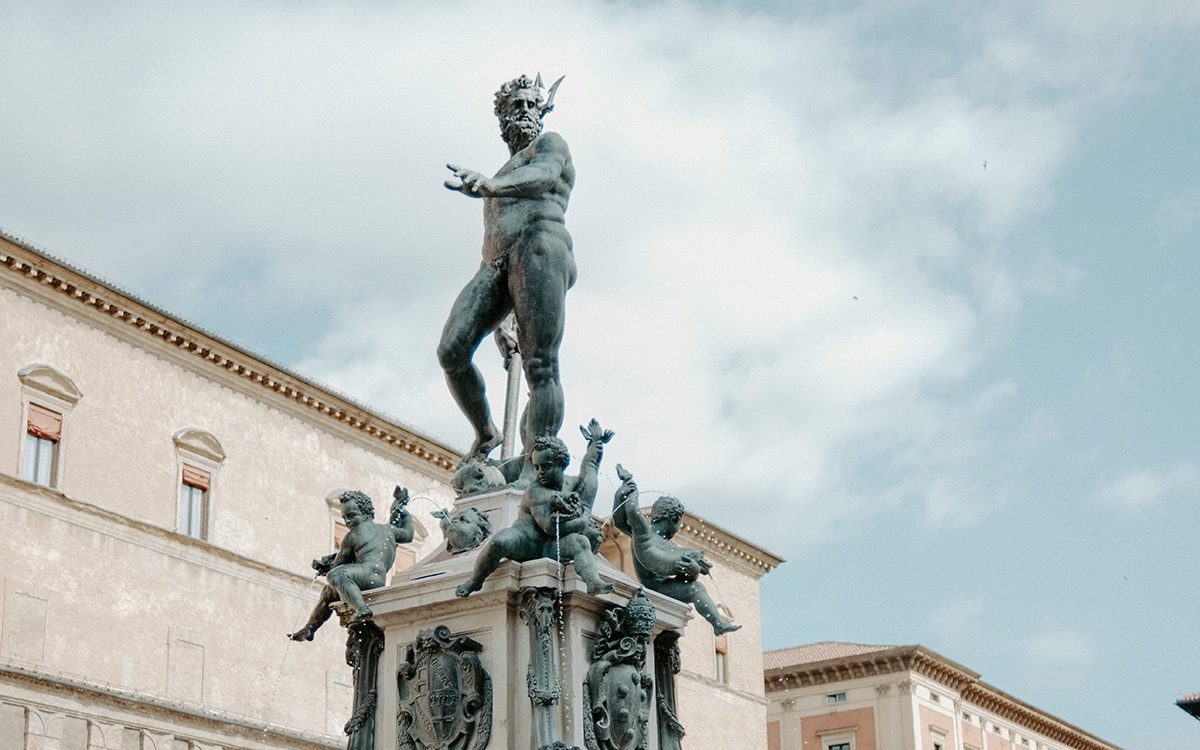
Why a car works here
This region doesn’t rush, even when it’s busy. Food towns, factory cities, flat farmland, old roads that still matter. Emilia-Romagna connects places through habits rather than spectacle, and that’s where car rental in Bologna fits naturally into the rhythm for discovering Emilia-Romagna.
What driving feels like
No drama. Roads are straight, signs behave, distances stay friendly. From a planning standpoint, it’s low-friction travel. You’re not wrestling terrain or traffic patterns. You’re following a grid that’s been working for centuries. That simplicity frees mental space for better decisions, like when to stop for lunch.
What changes once you have a car
Without a car, you follow famous names. With one, you follow instincts. Small producers outside Modena. Quiet corners near Parma. Back roads where nothing is advertised, but everything works. You linger. You adjust. You leave plans half-finished. That flexibility suits the region’s unspoken rules.
Where most trips begin
Most travelers begin in Bologna. It’s central, efficient, and easy to exit. If you are coming in by plane, car rental at Bologna Airport lets you skip transfers and move straight onto the road. One smooth handoff. No wasted motion.
10. Lazio

Driving difficulty: Medium
Best explored by car: Castelli Romani, Lake Bracciano, coastal roads, hill towns
Ideal for: Travelers combining Rome with the countryside and the coast
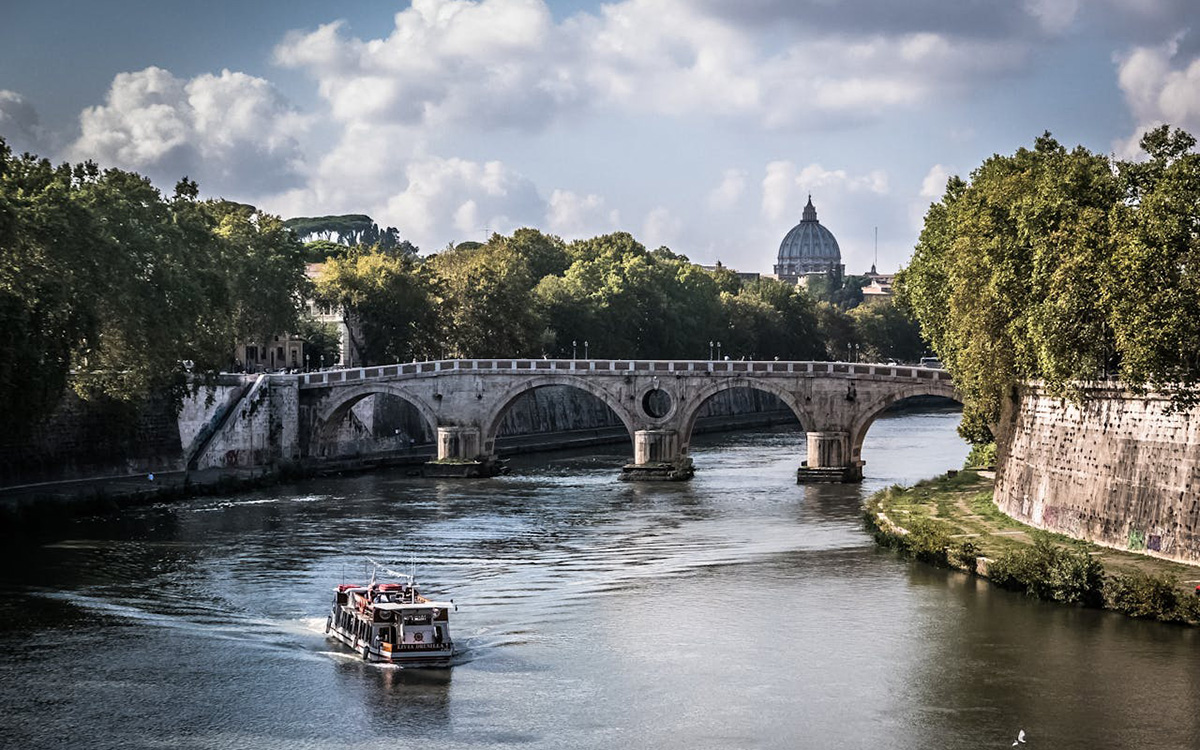
Why a car works here
Lazio isn’t only about one city. It stretches outward. Volcanic lakes, hill towns, coastal roads, quiet farmland. That spread is why a car makes sense. You move between contrasts easily. City to countryside, fast to slow. Trains stick to main lines. A car lets curiosity lead, which changes the rhythm completely.
What driving feels like
Here’s the thing. Driving in Lazio sounds intense, but it settles quickly once you’re out of urban traffic. Roads are decent, signs are clear, and distances stay short. From a logistics view, it’s efficient travel. Leave the city, and traffic thins. The drive starts feeling purposeful, not pressured.
What changes once you have a car
Without a car, Lazio feels selective. With one, it opens up. Small towns with no stations. Lakeside villages where lunch runs long. Back roads through Castelli Romani that keep bending and surprising you. You stop, linger, skip ahead. No fixed schedule. That freedom quietly turns sightseeing into actual exploring.
Where most trips begin
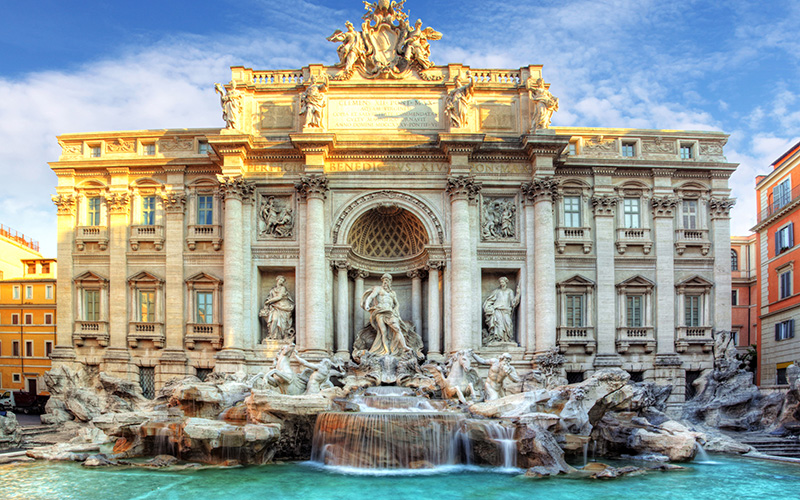
Most journeys start in Rome. It’s busy, layered, unforgettable. But once the noise builds, leaving feels right. This is where Rome as a starting point becomes practical, not optional. Going by plane? Picking up a car rental at Rome Fiumicino Airport or a car rental at Rome Ciampino Airport speeds things up. One moment, terminals and bags. Next, open roads and space to breathe.
Good to know
Driving gives you space to move, but it also comes with small rules that matter more than they first appear.
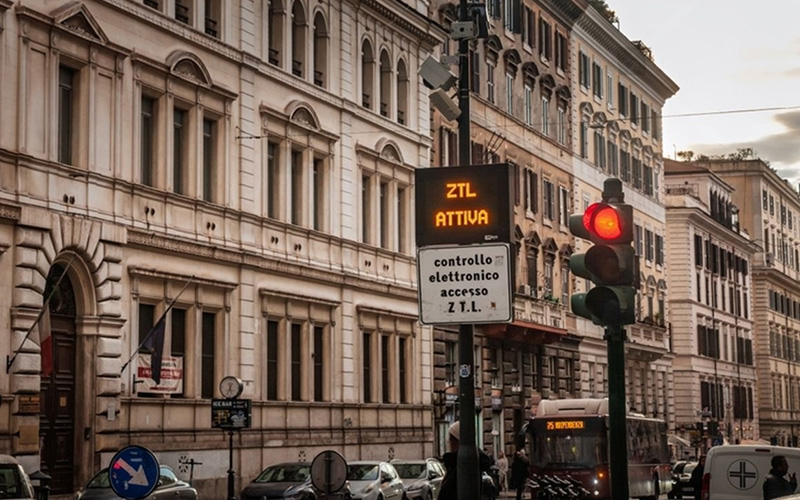
Here’s the thing—understanding ZTL zones in Italy can spare you those quiet, camera-triggered fines that show up long after the trip ends.
Pair that awareness with a clear guide to renting a car in Italy, and planning stops feels like guesswork.
Routes make sense, decisions come easier, and the journey settles into a rhythm that feels natural. Less friction. More flow. That’s when a road trip starts working with you, not against you.
Borrowed experience, smarter routes
Planning a road trip gets easier when you lean on people who’ve already logged the miles—missed turns included.
Lived experience beats tidy itineraries. Reading real Italian road trips mapped by travelers gives you the connective tissue maps don’t show, while knowing where to go for a first visit without overplanning keeps expectations realistic.
You notice patterns. You feel pacing. And you start planning less like a spreadsheet and more like a day that can breathe.
That’s not careless. It’s informed flexibility—the kind that turns movement into momentum and keeps the trip feeling light, even when the route changes.
FAQs
Here’s the quiet truth—the best road-trip regions are the ones that don’t rush you. Tuscany unfolds through back roads and hill towns, Sardinia stretches along long coastal drives, Sicily blends landscapes without warning, and Lombardy links lakes to mountains in a single afternoon.
Yes—but with a small caveat. Trains are excellent between big cities, fast and reliable. Step outside those corridors, though, and the map changes. A car fills the gaps. Rural areas, coastal detours, mountain routes—this is where driving stops feeling optional and starts feeling logical.
You don’t have to—but you’ll notice the limits quickly. Regions like Tuscany, Puglia, Umbria, Sardinia, and Marche scatter their highlights across the countryside and small towns. Without a car, you’re often planning around timetables instead of curiosity. With one, the day bends more easily.
For a first drive, Tuscany, Lombardy, and Veneto tend to feel forgiving. Distances stay short, signage is clear, and there’s a natural rhythm between cities and open space. You get variety without constant recalculation, which matters more than people expect on a first self-drive.
Mostly, yes. Highways and regional roads are straightforward and well-maintained. The learning curve shows up in historic centers—narrow streets, limited parking, and restricted zones. Pay attention there, and the rest usually falls into place faster than expected.
Tuscany, Umbria, Lombardy, and Emilia-Romagna often top that list. Roads are clear, distances feel reasonable, and navigation stays intuitive. They’re well-suited to relaxed travel, where driving supports the experience rather than dominating it.
Absolutely—and many travelers do. Picking up a car at an airport or outside the city center, focusing on regional routes, and returning it before entering dense urban areas keeps things simple. You get the freedom of the road without the stress of city traffic.
If food is the main agenda—and for most trips, it quietly is—Emilia-Romagna takes the lead. This is where Parmigiano Reggiano, prosciutto di Parma, and slow-simmered sauces aren’t menu items; they’re habits. Tuscany and Piedmont follow closely, especially if wine plays a supporting role. Meals here aren’t highlighted on a schedule. They’re anchors in the day.
Northern Italy does the heavy lifting. Trentino-Alto Adige sits front and center, with the Dolomites setting the tone—sharp lines, long trails, air that feels earned. Valle d’Aosta and northern Lombardy bring a slightly rougher edge. More cable cars, more boots on gravel, more weather worth paying attention to.
Sardinia usually wins this round, and not by accident. Clear water, quiet coves, long stretches where time slows down. Sicily and Puglia offer a different mix—less polish, more character. Swim, wander, eat, repeat. The rhythm matters.