Limited Traffic Zone (ZTL) in Italy explained: Rules, fines, and tips
ZTL zones in Italy can initially confuse drivers, but they’re simply traffic-restricted city areas designed to protect historic centers.
Planning a road trip through Italy sounds easy until you meet ZTL zones. These Zona Traffico Limitato areas sit in most major cities in Italy. Here’s the catch. Cameras enforce the rules, fines come fast, and drivers often learn the lesson late. Once you know how ZTLs work, though, they make sense. Less congestion, less damage, and cities that stay beautiful a little longer.
This article contains affiliate links.
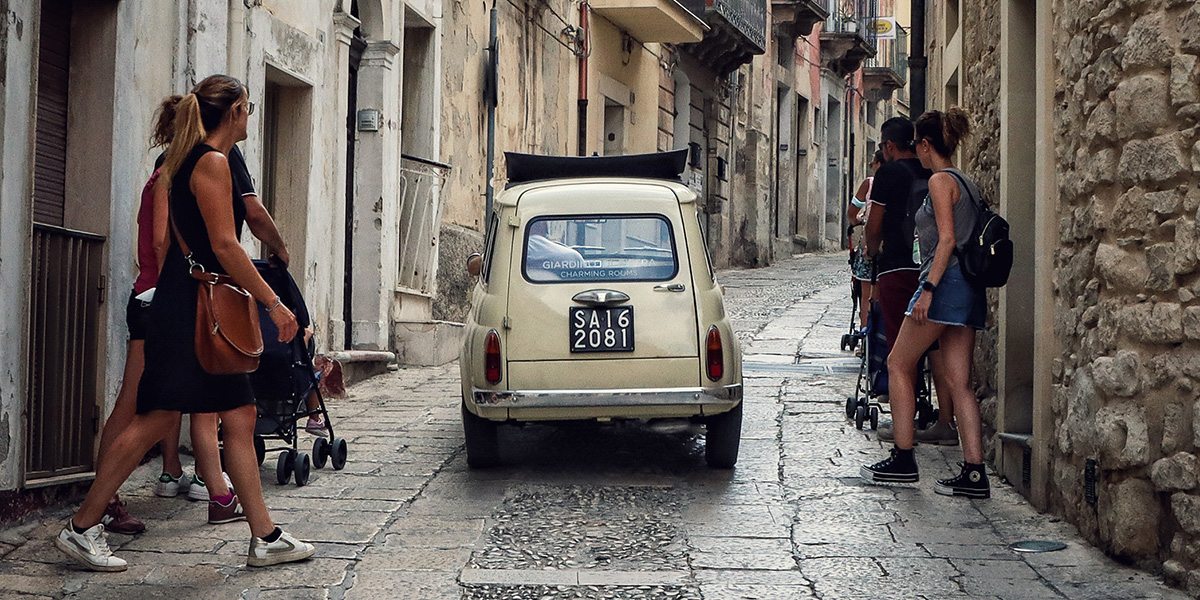
What are the ZTL zones in Italy?
ZTL means Limited Traffic Zone (Zona Traffico Limitato in Italian), and if you’re driving in Italy, this is one acronym you can’t ignore. These zones exist to cut pollution, protect historic centers, and keep city traffic from choking itself.
Sounds reasonable, right? Cities divide key areas into restricted zones where only approved vehicles can enter. That usually means residents, buses, taxis, tour coaches, and cars with special permits. Everyone else stays out.
Here’s where things get serious. Access points are monitored by automated cameras that read every license plate, day and night. No barriers. No warnings. Just quiet enforcement. If your car isn’t authorized, the system logs it and generates a fine automatically. You won’t know right away either.
The notice often arrives weeks later, sometimes through your rental company, which adds fees of its own. A surprise, sure, but a common one.
How to identify a ZTL zone
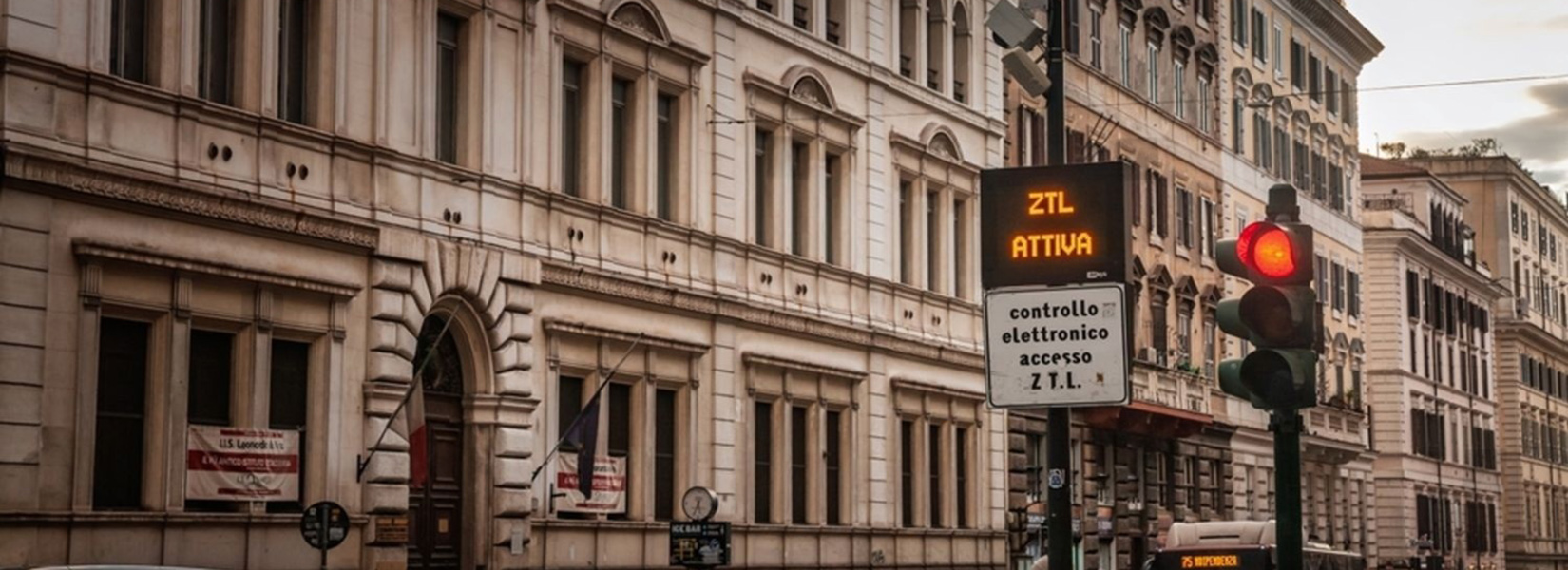
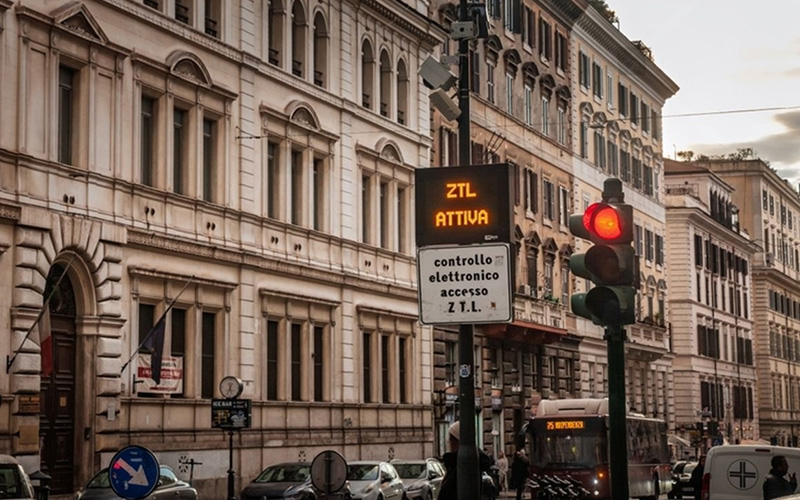
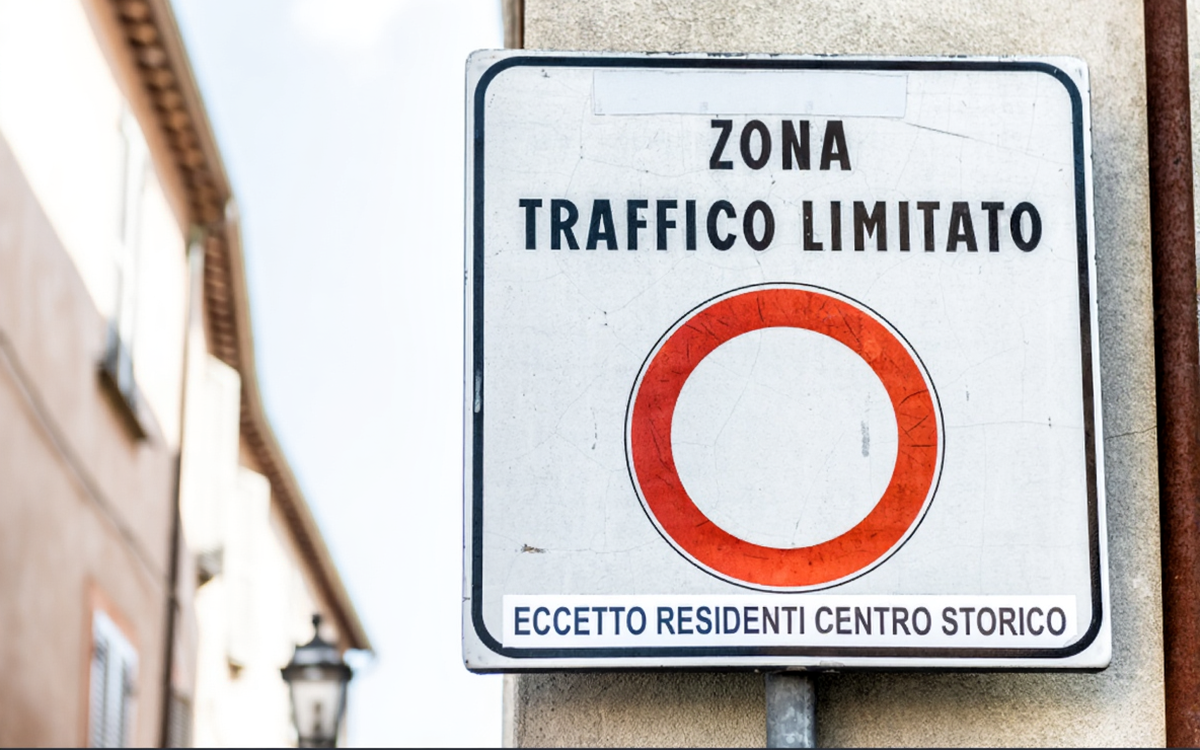
You can usually tell you’re near a ZTL if you know what to look for, but the signs don’t always give you much time to react. The main clue is road signage. You’ll see a white sign with a red circle and the words Zona Traffico Limitato, often followed by time windows and small icons. That’s your warning shot.
Here’s the tricky part. ZTL signs usually appear right before the access point, not miles in advance. You’re driving, traffic’s moving, Google Maps is talking, and suddenly there it is. Cameras are often mounted nearby, sometimes on poles, sometimes on buildings. No gates. No guards. Just quiet enforcement.
Apps can help, sometimes. Still, when in doubt, slow down, reread the sign, and trust Italian road rules over your gut.
Driving a rental car through ZTL
While driving a rental car around Italy, you’ll almost certainly see other cars glide into a ZTL and think, Well, they’re going in… so I can too. That’s where trouble starts. Most of those drivers are locals with permits that allow access, and those passes don’t transfer by proximity. Following someone else won’t save you. Cameras read plates, not intentions. When in doubt, don’t follow the flow. In ZTL zones, the quiet cars ahead often know something you don’t.
Driving a rental car in Italy feels simple until ZTL zones show up. And they show up fast in cities like Rome, Milan, and Florence. The rule is blunt—rental or not, the restrictions still apply. Cameras read license plates automatically, and rental cars don’t get any grace.
Hotels inside ZTLs can sometimes register your plate, but only if done ahead of time. Miss that step and the fine arrives later, usually through the rental company, with extra fees. That’s Italy reminding you to plan before you drive.
If you are renting a car in Italy, and if you’re going beyond ZTLs—insurance, documents, tolls, fuel rules—the complete guide to renting a car in Italy pulls it all together in one place.
Where to find cheap car rental in Italy?
Cities with ZTL zones in Italy
Many large Italian cities use ZTL zones, but they don’t all play by the same rules. Rome has multiple ZTLs tied to vehicle type and emission levels, which means access can change depending on what you drive. Florence keeps things tighter, with a ZTL covering most of the historic center, especially during the day.
Then there’s Milan, where ZTL rules overlap with Area C, a congestion charge zone that allows entry for a fee. Bologna runs timed restrictions, while Naples mixes ZTLs with limited enforcement windows that can surprise visitors.
To make sense of all these differences before you turn the key, tools like ZTL maps let you see exact boundaries instead of guessing.
In smaller cities like Venice, Pisa, Siena, and Lucca, ZTLs are mostly there to shield tight historic centers where streets were never meant for modern traffic. The idea is the same, but the pace feels slower and more local.
ZTL zones in Rome
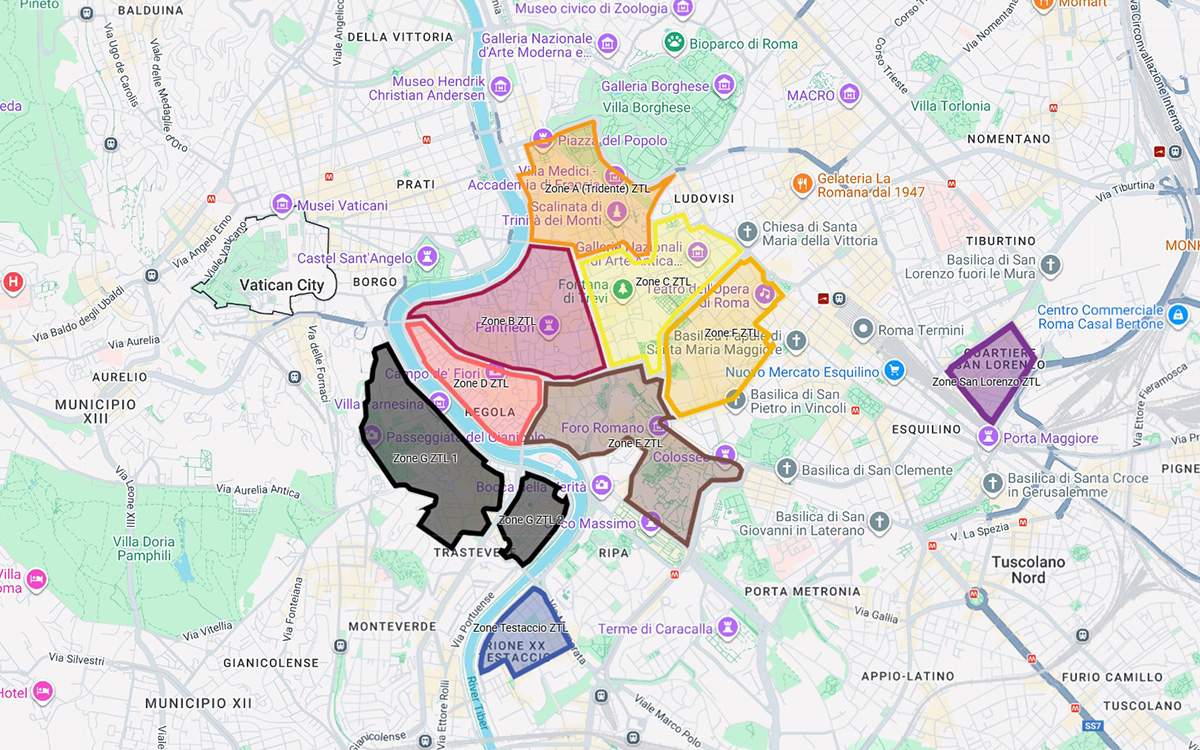
In Rome, the system is particularly complex and strict, so it is vital to pay attention to it.
You have several ZTL zones. ZTL Centro Storico runs Mon–Fri 06:30–18:00, and Sat 14:00–18:00. The nearby Tridente zone is stricter: Mon–Fri 06:30–19:00, Sat 10:00–19:00. Trastevere’s daytime ZTL is short, Mon–Sat 06:30–10:00.
And yes, the “after-dinner” trap is real. Night ZTLs switch on: Centro and Testaccio are typically 23:00–03:00 on Fri–Sat; Trastevere and San Lorenzo run 21:30–03:00 from Wed–Sat (often extended in summer, but paused in August). If you’re renting, ask the host for a permit or park outside and walk—Rome is made for that. Google Maps won’t always warn you, so check Roma Mobilità times before you follow the blue line blindly.
Honestly? If you’re renting, park outside and walk. Rome rewards that choice.
ZTL zones in Florence
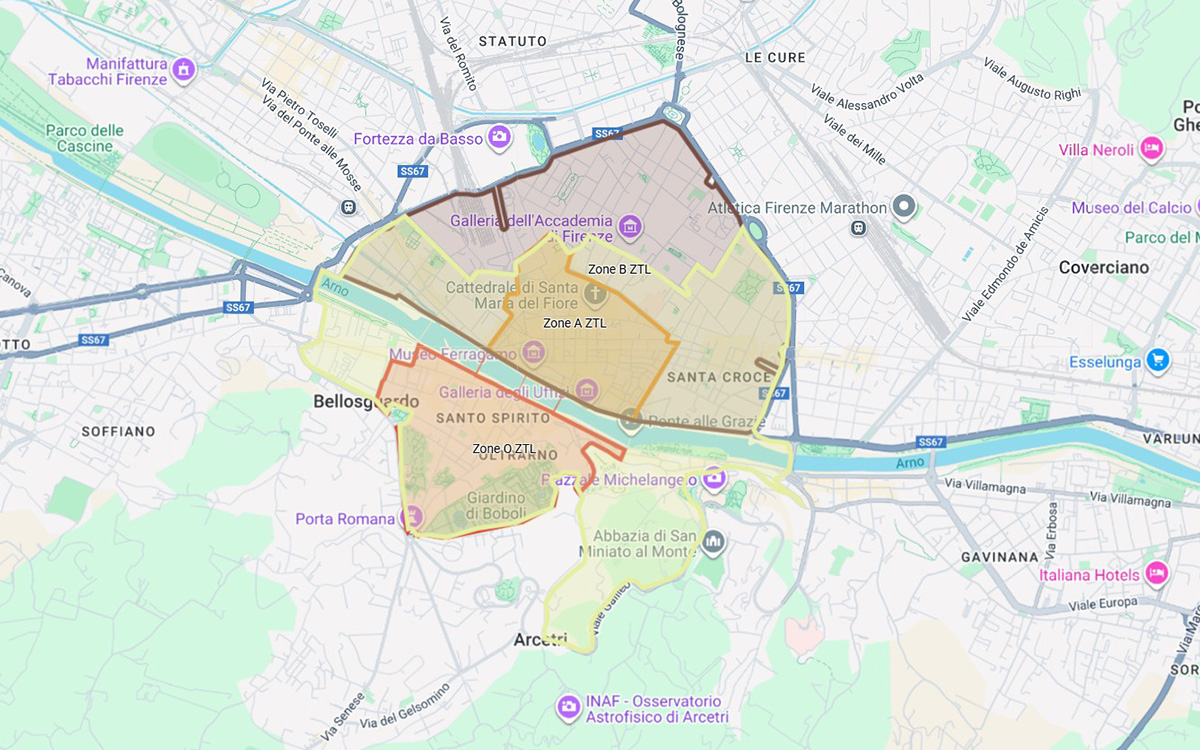
Florence keeps it simple, but strict. Florence has just one main Centro Storico ZTL, wrapped around the historic core, watched by cameras that never blink. You won’t see barriers. You’ll see fines later.
During the day, the ZTL runs Monday to Friday, 07:30–20:00, and Saturday, 07:30–16:00. Sundays are usually free, which feels generous—almost suspicious.
Then comes the evening version. Night ZTL typically applies from Thursday to Saturday, 23:00–03:00. In summer, it’s enforced more consistently. In winter, timings can soften a bit. Still, guessing is risky.
Honestly? Florence is compact. Park outside, grab a coffee, and walk in. It’s calmer, cheaper, and fits the city’s rhythm better.
ZTL zones in Milan

Milan uses letters for ZTL zones. And they matter. A lot. The city operates two main traffic zones: Area C and Area B, and mixing them up is how fines are issued.
Area C vs Area B, explained like a local. Area C covers the historic center. It’s active Monday to Friday, 07:30–19:30. Entry usually requires a paid ticket, even for residents. Cameras handle enforcement quietly and efficiently.
Area B is bigger. Much bigger. It wraps around most of the city and focuses on emissions rather than congestion. It runs Monday to Friday, 07:30–19:30, but only restricts certain vehicles—older diesel models first.
Here’s the mild contradiction: Area B feels relaxed, yet it isn’t. It’s strict, just selective.
If you’re renting a car, check your car’s emission class before driving in. Milan rewards preparation, not confidence.
ZTL zones in Naples
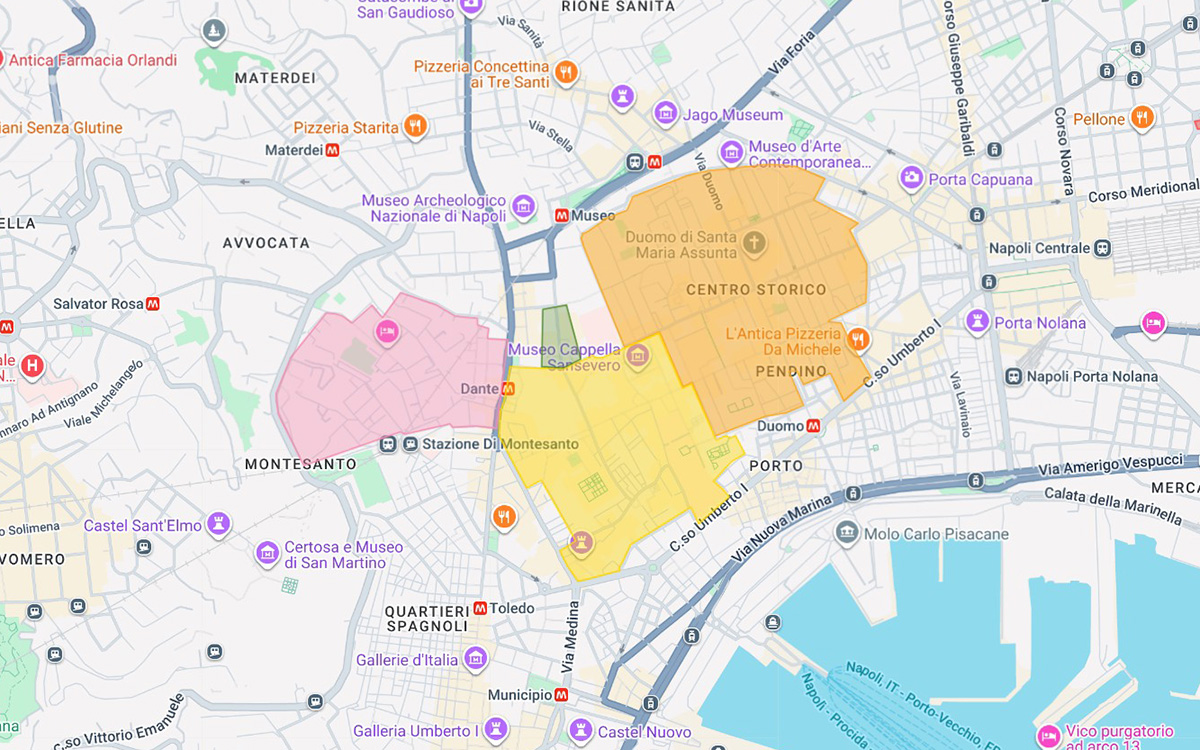
Here’s the thing—Naples doesn’t run one clean ZTL. It’s a mosaic. Several zones, several schedules, and camera gates (varchi) are doing the quiet work. Very on brand.
Start in Centro Antico. Most gates run daily 09:00–17:00, but a few streets stretch late into the evening, especially on weekends. Nearby areas like Mezzocannone follow similar patterns, while spots such as Piazza del Gesù stay restricted all day. Yes, all day.
Then there’s Chiaia. Usually active on Saturdays, split into daytime and evening windows. Seasonal zones near the coast often appear in summer, then vanish again.
Sounds loose? It is—and it isn’t. Signs rule everything. If you’re driving, check them, park outside, grab an espresso, and walk. Naples rewards flexibility.
ZTL zones in Bologna
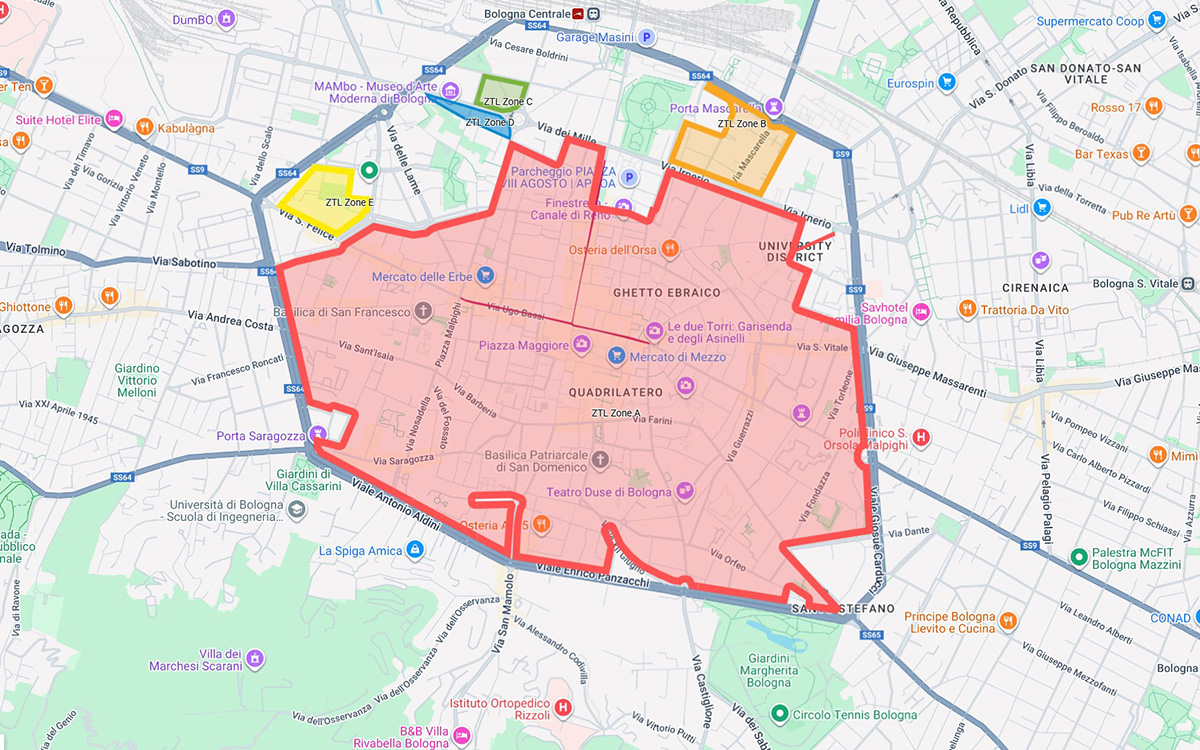
Bologna’s ZTL is pretty clear. The main Centro Storico ZTL runs every day, 07:00–20:00, weekends and holidays included, and the access gates are monitored by Sirio cameras (so the system is basically doing plate-recognition all day).
Then it gets a bit more “city-specific.” Area T (that central trio of streets) has extra restrictions and often turns more pedestrian-friendly on weekends. The University area is another hotspot with tighter access rules.
If you’re staying in the center, don’t panic—many hotels/garages can register your plate for permitted access. Still, read the signs like they’re the contract.
ZTL zones in Turin
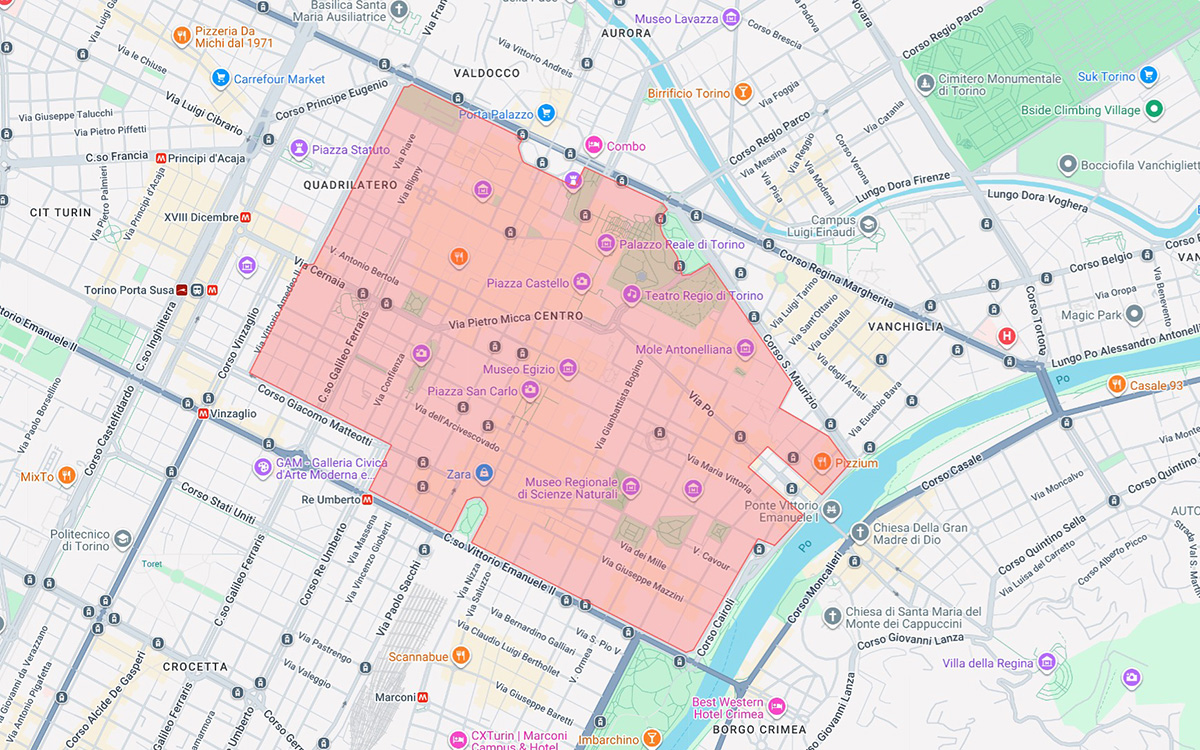
Turin is stricter than it looks. The ZTL Centrale runs on weekdays, excluding Saturday, from 07:30 to 10:30. Short window, strict control. Camera gates watch every entry, so timing matters more than confidence.
Now comes the part people miss. The after-hours layer.
Inside the same core, areas like Area Romana close every night at 21:00–07:30. Piazza Emanuele Filiberto starts even earlier. Some lanes reserved for public transport stay restricted 07:00–20:00, while pedestrian zones and parts of Valentino Park are closed 24/7.
Sounds manageable? It is—if you read the signs. Honestly, parking outside and walking in often feels easier. Turin rewards patience, not shortcuts.
Who gets access to ZTL
ZTL access follows a rulebook, but it’s not one-size-fits-all. Permits come from local authorities, and who gets through depends on purpose, timing, and paperwork. Here’s how it usually shakes out.
- Locals. Locals generally have free access within their own neighborhood. Their plates are registered, and the system recognizes them automatically.
- Hotels. Many hotels can register your plate with the city. This allows short-term access for arrival, luggage drop-off, or parking in an approved garage. Limited access, narrow window.
- Delivery vehicles. Loading and unloading happen on schedule, not on demand.
- Tourists. Some cities offer temporary permits online, often tied to a booking and sometimes a fee. It exists, but it’s not universal.
- Electric or hybrid vehicles. A few cities offer exemptions or reduced charges for low-emission cars. Sounds simple, until you realize every city sets its own rules.
Fines for entering without permission
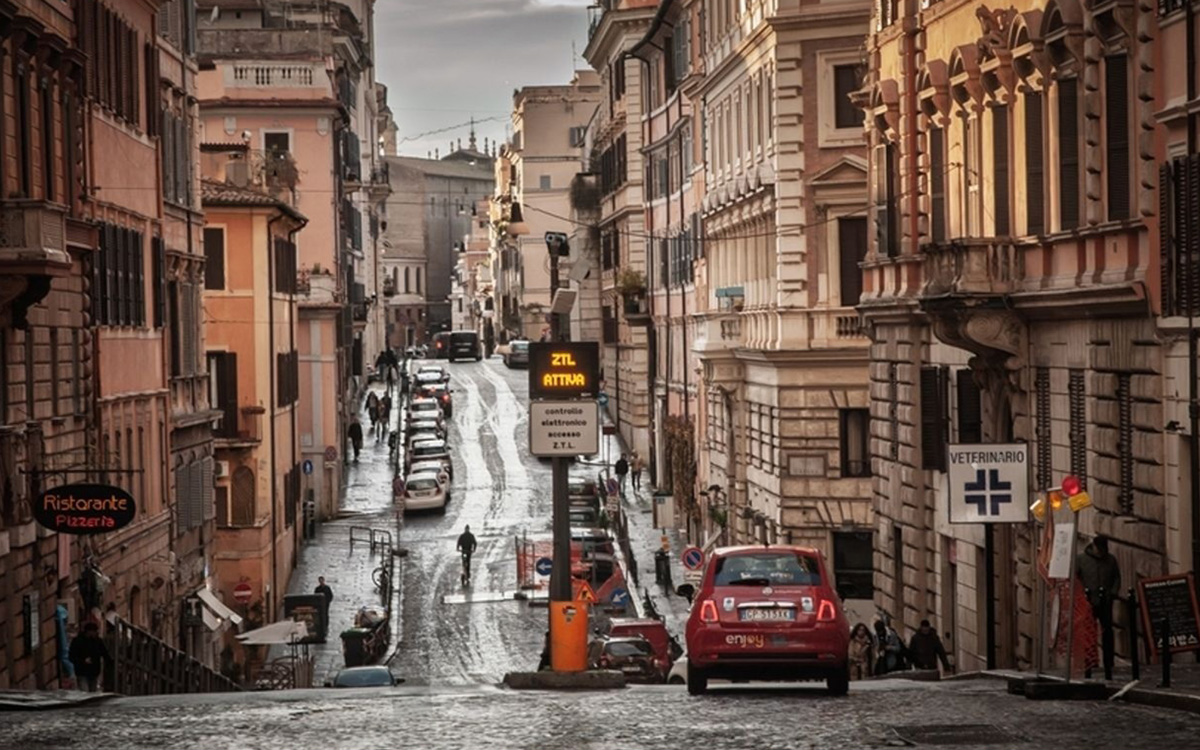
Crossing into a ZTL without authorization is quieter than you’d expect. No horn. No officer waving you down. A camera records your license plate, the system passes the data to municipal police, and the fine is issued. Simple process, firm outcome. The amount usually lands between €80 and €300, depending on the city and how the violation is logged.
Now add a rental car to the mix. The notice goes to the rental company first. They forward your details, charge an administrative fee to your card, and move on. Weeks later, the official fine arrives at your home with everything spelled out: date, time, location, and even a photo.
Here’s the small upside. Pay within five days, and the fine drops by 30%. Ignore it, and the costs grow, along with future travel complications.
Tips to avoid fines
ZTL fines usually happen when people rush. Slow things down a bit, and most problems disappear. Here’s what actually helps.
- Plan your route before you drive. Take a few minutes to check official ZTL maps or ask at a tourist office. Old cities don’t reward improvisation.
- Give your hotel a heads-up. Staying inside a historic center? Send your license plate ahead of time. Many hotels can arrange limited access for arrival or parking.
- Leave the car outside the center. Peripheral parking lots are often connected by bus or tram. It’s calmer, cheaper, and sometimes quicker.
- Don’t trust navigation apps alone. Google Maps helps, but it doesn’t always flag restricted streets. ZTL cameras do.
- Read the signs carefully. Times, days, vehicle types. The details matter more than the symbol.
- Avoid driving during restricted hours. Some zones open early or late. Timing can save you money.
- Get permits the right way. Many cities sell tickets online, through local apps, at tobacconists, or via certain hotels. When unsure, ask first.
ZTL zones in Italy - FAQs
ZTL areas tend to sit right where tourists want to drive most—historic centers. Old towns, landmark-heavy streets, postcard squares. Rome, Florence, Milan, Bologna… they all protect their cores this way. Narrow roads, heavy foot traffic, centuries of history. Cars aren’t exactly welcome guests.
Here’s the thing—ZTL rules aren’t centralized. Each city sets its own hours. The most reliable sources? Official city websites, hotel reception desks, or parking garages that deal with ZTL permits daily. Google Maps helps with navigation, not regulations. Signs at the entrance matter more than apps.
Sometimes yes. Sometimes no. Some ZTLs run only on weekdays, others kick in during evenings, weekends, or tourist seasons. A few never sleep. There’s no national pattern here—checking locally isn’t optional, it’s part of the plan.
Nothing dramatic in the moment. No flashing lights. No police stop. Just a quiet camera overhead reading your plate. The fine arrives later. Often much later. With rental cars, delays are almost expected.
You might be allowed in—but only if your hotel registers your license plate in advance. That step matters. Miss it, and the fine still applies. Most travelers get caught because they assume the reservation alone is enough. It isn’t.
Tourists usually don’t apply themselves. Hotels, garages, or local offices handle temporary permits. You’ll need to provide your plate number and timing details. No registration means no permit—simple as that.
Rental cars follow the same rules as every other vehicle. No tourist pass. No rental loophole. Same cameras, same fines, same process.
Yes, but not right away. First, authorities contact the rental company. Then comes an admin fee. Then your details get passed along. Weeks—or months—later, you hear about it.
The fine includes payment instructions, usually online or via bank transfer. Early payment often reduces the amount. Ignoring it? That’s where costs grow—and future trips to Italy can get uncomfortable.
They work nonstop. Fully automated. License plates are scanned, checked against permit databases, and processed without human review in most cases. It’s efficient. And unforgiving.
Sometimes. Some cities allow electric vehicles, but only with prior registration. Hybrids usually don’t qualify. Never assume green equals free access. ZTL rules love exceptions—and love paperwork even more.